
Winner: resumen y funciones clave en México (MX)

Winner: resumen y funciones clave en México (MX)

Este resumen presenta lo que los registros de investigación suministrados describen sobre Winner en el mercado mexicano. El objetivo no es emitir una recomendación ni sustituir la revisión de la información oficial, sino ordenar los datos disponibles sobre la marca, su estructura operativa, las condiciones de acceso, las promociones y los mecanismos de atención. La evidencia conserva distintos grados de certeza: varias afirmaciones proceden de notas de investigación atribuidas y no de una verificación independiente incorporada en este expediente.

Pregunta y método de revisión

La pregunta de trabajo es: ¿qué funciones y condiciones clave de Winner pueden describirse para una persona principiante en México a partir de los registros disponibles? Para responderla, se seleccionaron cuatro ejes: identidad y alcance de la marca; estructura corporativa y marco regulatorio descrito; requisitos de acceso y verificación; y condiciones promocionales y vías de reclamación.

Winner: resumen y funciones clave en México (MX)

El criterio de evaluación fue distinguir entre lo que un registro afirma, lo que describe como una condición publicada y lo que el conjunto documental no permite establecer. Por ello, expresiones como “según la nota de investigación” o “los términos citados describen” no son adornos: indican que la frase conserva el nivel de atribución de la fuente retenida. También se evitó transformar una referencia a un permiso o a una certificación en una conclusión independiente sobre legalidad, funcionamiento actual o calidad del servicio.

Identidad y alcance descrito

La nota de desambiguación retenida describe a Winner Casino como una marca que opera en México bajo el dominio exclusivo Winner.mx. Esa misma nota atribuye la comercialización a Tecnología en Entretenimiento Caliplay, S.A.P.I. de C.V.; también señala que en ciertos términos de software aparece la referencia a S. de R.L. de C.V. El registro vincula la operación con la permisionaria Impulsora Géminis, S.A.

Esta formulación debe leerse como una descripción atribuida del expediente, no como una comprobación independiente de la titularidad actual del dominio o de la relación societaria. La diferencia es importante para principiantes: una marca comercial, una empresa operadora tecnológica y una permisionaria pueden aparecer relacionadas en la documentación sin que el registro suministrado detalle por sí solo todas las responsabilidades contractuales entre ellas.

Otro registro de investigación describe a Tecnología en Entretenimiento Caliplay, S.A.P.I. de C.V. como un operador tecnológico principal dentro del ecosistema mexicano de apuestas de alto volumen. También atribuye a esa entidad infraestructura compartida, pasarelas de pago STP/SPEI y motores de juego Playtech con Caliente.mx. El expediente no aporta una auditoría técnica que permita comprobar por separado cada elemento de esa descripción, por lo que conviene conservarla como información reportada por la investigación almacenada.

Marco regulatorio y responsabilidad

La información retenida afirma, de manera atribuida, que Winner Casino opera legalmente en México bajo la Ley Federal de Juegos y Sorteos y su Reglamento. El mismo material menciona el permiso SEGOB DGG/SP/404/97 y la interconexión con Impulsora Géminis. Sin embargo, el expediente suministrado no incluye una resolución oficial independiente ni una comprobación actual del estado del permiso. En consecuencia, aquí se reporta lo que la nota sostiene, sin convertirlo en una conclusión propia sobre la vigencia o suficiencia de la autorización. En este resumen local, Winner como operador de juegos se identifica como la marca mencionada en el expediente.

La estructura de responsabilidad descrita en otro registro se distribuye entre Impulsora Géminis, S.A. de C.V., como permisionaria autorizada, y Tecnología en Entretenimiento Caliplay, S.A.P.I. de C.V., como empresa operadora. La nota también sitúa una sede corporativa operativa en una dirección que aparece incompleta en el registro suministrado; por esa razón, no se reproduce ni se presenta como dato verificable.

Para el acceso con dinero real, los términos generales citados describen una restricción para personas físicas mayores de 18 años ubicadas dentro de la República Mexicana. Esta condición pertenece a la documentación referida por la investigación. El registro no permite deducir otros requisitos concretos ni confirmar que las condiciones permanezcan idénticas fuera del texto citado, de modo que la consulta de los términos vigentes sigue siendo necesaria antes de interpretar su alcance.

Funciones y condiciones que el expediente sí describe

Acceso orientado al mercado mexicano

El dominio Winner.mx y la referencia expresa a la República Mexicana sitúan el análisis en el mercado de México. La información disponible no autoriza a extender automáticamente estas condiciones a otros países. Tampoco permite afirmar que todas las funciones, métodos o productos descritos estén disponibles de manera permanente o uniforme para cada usuario.

Juegos y tecnología

Una nota de investigación atribuye a Winner.mx el uso de software y algoritmos generadores de números aleatorios con certificaciones emitidas por Gaming Laboratories International (GLI). Ese registro también afirma que la plataforma tendría un retorno teórico promedio al jugador de 96.15% en tragamonedas y que existiría cumplimiento de integridad en mesas en vivo de Playtech.

Estos datos deben interpretarse con precisión. El porcentaje indicado es un promedio teórico atribuido a la nota, no una promesa de resultado individual ni una garantía de ganancias. Del mismo modo, que se mencione una certificación no demuestra, por sí solo, que todos los juegos actuales, configuraciones o resultados concretos hayan sido revisados en las mismas condiciones. El expediente no incorpora los certificados, sus fechas, su alcance ni un informe técnico completo.

Promoción sin depósito

El reglamento de promociones retenido describe un bono sin depósito de $700 MXN para nuevos usuarios. Según ese registro, la liberación exige un rollover de 40 veces en apuestas de casino elegibles, tiene una vigencia de siete días y establece un tope de retiro de $1,500 MXN de ganancia antes de realizar un depósito calificador.

La cifra promocional no debe separarse de sus condiciones. El requisito de 40 veces modifica de forma sustancial la lectura de la oferta, y el tope indicado se refiere a la ganancia máxima convertible bajo la condición descrita, no a una promesa de retiro para cualquier cuenta. La fuente retenida tampoco permite añadir reglas que no aparecen en ella. Por eso, el reglamento aplicable debe prevalecer frente a un resumen breve o a una pieza publicitaria.

Privacidad y verificación de identidad

El aviso de privacidad citado se atribuye a Caliplay y describe el tratamiento de datos personales, biométricos y bancarios bajo la Ley Federal de Protección de Datos Personales en Posesión de los Particulares. El expediente también identifica una guía oficial de verificación de cuenta e identidad, presentada como guía de KYC/AML.

Estos registros permiten señalar que existen documentos específicos sobre privacidad y verificación. No permiten detallar procedimientos adicionales que no estén incluidos en el expediente, ni afirmar cómo se aplica cada revisión en un caso individual. La existencia de una guía tampoco equivale a una comprobación independiente de sus prácticas operativas.

Atención de controversias

La ruta de escalamiento descrita en la investigación comienza con el departamento de atención a clientes y la supervisión técnica mediante soporte@winner.mx. Si la inconformidad no se resuelve en 15 días hábiles, el registro señala que los usuarios en México pueden recurrir a la Dirección General de Juegos y Sorteos de la SEGOB mediante una queja formal que cite el permiso DGG/SP/404/97, o acudir a la PROFECO para mediación comercial.

La formulación anterior informa sobre la ruta que el registro atribuye a la documentación de Winner. No demuestra que una reclamación vaya a resolverse en un sentido concreto ni que una autoridad acepte automáticamente cualquier planteamiento. Tampoco sustituye la revisión de los canales y requisitos vigentes. La utilidad práctica de este dato está en distinguir entre el primer contacto con la empresa y las instancias externas que la nota identifica como posibles vías posteriores.

Cómo leer la evidencia sin confusiones

Un error frecuente consiste en tratar todos los datos del expediente como si tuvieran el mismo peso. No es así. La referencia al bono procede de un reglamento descrito; la estructura societaria y la legalidad aparecen como afirmaciones atribuidas de notas de investigación; y la certificación técnica se presenta mediante una afirmación cuyo soporte documental no fue incluido en el material suministrado. La redacción responsable conserva esas diferencias.

También es importante separar tres ideas: una condición publicada, una operación técnicamente descrita y una conclusión sobre la experiencia del usuario. Que existan términos para un bono no prueba que una persona lo obtenga sin cumplir las reglas. Que se mencione un RTP teórico no predice el resultado de una sesión. Que se identifique un canal de reclamación no garantiza el desenlace de una disputa.

El dossier tampoco establece por sí solo la disponibilidad actual de cada juego, la vigencia comprobada del permiso, la aplicación individual de los controles de cuenta o la ejecución de una transferencia concreta. Esas cuestiones no deben rellenarse con suposiciones. Cuando el registro no aporta el dato, la conclusión correcta es que la información suministrada no lo establece.

Limitaciones del análisis

La principal limitación es documental: el material recibido está compuesto por registros de investigación y referencias a políticas, pero no incluye una verificación externa de los documentos enlazados ni copias completas de certificados, permisos o términos. Por ello, el artículo puede resumir lo que esos registros reportan, pero no certificar su actualidad.

Existe además una variación en la forma societaria mencionada: una nota usa S.A.P.I. de C.V. y señala que ciertos términos de software utilizan S. de R.L. de C.V. El expediente no explica esa diferencia. Presentarla como una equivalencia jurídica sería ir más allá de la evidencia, así que se conserva como una discrepancia que requiere aclaración documental.

Finalmente, los datos promocionales y operativos son sensibles a cambios de términos. El texto retenido identifica reglas concretas para el bono y una ruta de atención, pero no ofrece una fecha de corte ni una comprobación de que sigan vigentes. La lectura adecuada es descriptiva y condicionada, no una garantía de disponibilidad.

Conclusión

Los registros suministrados permiten describir a Winner como una marca dirigida al mercado mexicano bajo Winner.mx, relacionada en las notas con Tecnología en Entretenimiento Caliplay e Impulsora Géminis. También permiten resumir condiciones atribuidas de acceso, privacidad, verificación, promoción y atención de controversias. La información técnica sobre GLI, el RTP de 96.15% y Playtech aparece reportada, pero sin los documentos de respaldo incorporados al expediente.

En conjunto, la evidencia es suficiente para un resumen inicial de funciones y condiciones, pero no para convertir las afirmaciones atribuidas en comprobaciones independientes. Para una evaluación documental completa, la prioridad sería contrastar los términos vigentes, el permiso citado y el alcance de las certificaciones directamente en fuentes oficiales. Mientras esa comprobación no forme parte del expediente, la distinción entre “lo que la nota reporta” y “lo que está establecido” debe mantenerse.

Mini-FAQ

¿Qué pregunta responde este resumen de Winner?

Examina qué funciones y condiciones clave pueden describirse para México a partir de los registros suministrados, separando las afirmaciones atribuidas de los puntos que el expediente no establece.

¿La referencia al permiso demuestra por sí sola que la autorización está vigente?

No. El expediente reporta el permiso SEGOB DGG/SP/404/97 y una relación con Impulsora Géminis, pero no incorpora una comprobación oficial independiente de su vigencia. Por eso, el artículo conserva la atribución.

¿El RTP de 96.15% es una ganancia garantizada?

No. La cifra aparece en una nota de investigación como retorno teórico promedio atribuido a tragamonedas. No predice el resultado individual ni constituye una garantía.

¿Qué condiciones se atribuyen al bono sin depósito?

El registro del reglamento describe $700 MXN, rollover de 40 veces en apuestas de casino elegibles, vigencia de siete días y un tope de retiro de $1,500 MXN de ganancia antes de un depósito calificador. La fuente retenida no autoriza añadir condiciones distintas.

¿Qué establece el expediente sobre las reclamaciones?

Describe un primer contacto con atención a clientes y soporte@winner.mx. Si la inconformidad no se resuelve en 15 días hábiles, la nota identifica como vías posteriores la SEGOB, citando el permiso indicado, y la PROFECO para mediación comercial.
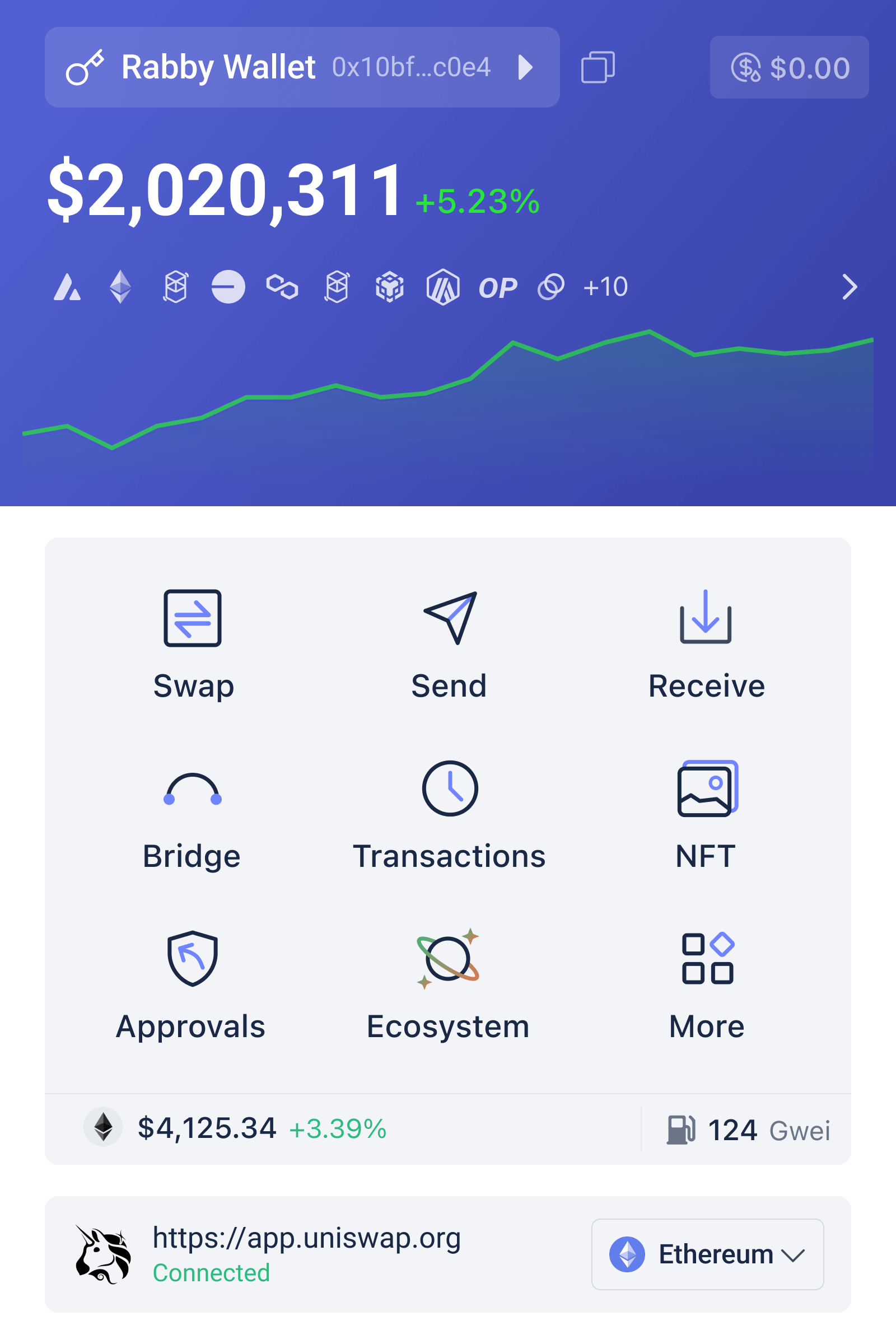
Rabby wallet interface illustrating pre-signing transaction review for DeFi activity

Rabby Chrome Extension and Transaction Simulation: What DeFi Users Should Actually Trust

How much can a wallet really tell you before you sign? A transaction preview can show that tokens are expected to leave one address and arrive at another, but it cannot turn a risky smart contract into a safe one. That distinction matters for anyone using DeFi across Ethereum and its many EVM-compatible networks. Rabby’s Chrome extension is built around transaction simulation, security warnings and automatic network handling, features that can make complex actions easier to inspect. Their value, however, depends on what a simulation can observe—and on whether the user treats it as a check rather than a guarantee.

For users in Germany, where a wallet may connect to lending markets, decentralised exchanges and bridges across several chains, the useful question is not simply whether Rabby is “safer” than another wallet. It is which risks the interface can reduce, which remain outside its control, and what habits are still needed before approving a transaction.

Rabby wallet interface illustrating pre-signing transaction review for DeFi activity

Misconception: a simulation is a security guarantee

Rabby runs a pre-signing simulation intended to show the expected changes to token balances. In practical terms, that gives the user a chance to notice an unexpected transfer, an unfamiliar token approval or an outcome that does not match the intended action. This is useful because signing requests are otherwise difficult to interpret: the underlying transaction data is not written for ordinary readers.

But a simulation is an estimate of how a transaction is expected to behave under the conditions available when it is checked. It is not a guarantee of what will happen later. Blockchain state can change between simulation and execution; a contract may behave differently depending on state, inputs or external conditions; and a preview cannot establish that a project’s economic design is sound. If a transaction depends on a price, liquidity or contract state that shifts before inclusion, its realised result may differ from the preview.

The right mental model is therefore “additional inspection,” not “automatic protection.” A clear preview helps answer, “Does this expected outcome make sense?” It does not fully answer, “Is this protocol trustworthy?” or “Will the transaction still behave this way when it executes?” That boundary is important when approving token allowances. An approval can authorise a contract to spend tokens later, not just in the immediate action. Rabby’s security engine can flag risks such as infinite approvals, but users should still check which asset and spender an approval concerns and whether broad, persistent access is necessary.

Misconception: non-custodial means risk-free

Rabby is a non-custodial wallet developed by DeBank. Private keys are stored locally on the user’s device rather than sent to Rabby’s servers. This changes the custody model: the provider does not hold the keys in the way a custodial exchange does. It also means responsibility for protecting the device, recovery information and signing decisions rests with the user.

Local key storage does not prevent malware, phishing, a compromised browser or a user being persuaded to sign a harmful request. Nor does an open-source licence eliminate those risks. Rabby’s software is published under the MIT licence, which allows independent inspection, but open source is an opportunity for scrutiny—not proof that every release, dependency or installation is safe. Users still need to install the extension from a trusted source, keep their browser and device protected, and treat unexpected prompts with suspicion.

Hardware-wallet compatibility with Ledger, Trezor and OneKey can add a meaningful separation between browsing and key use: transaction signing is performed through a dedicated device. Yet a hardware wallet does not make a malicious transaction benign. It can protect the key from some forms of digital theft, but the user can still approve an unsafe action on the device. The strongest arrangement combines protected keys with careful review of what is being signed.

Why multi-chain convenience changes the risk picture

Rabby supports more than 140 EVM-compatible networks, including Ethereum, Polygon, Arbitrum, Optimism, Avalanche, Base and BNB Chain. It can detect the network a decentralised application requires and switch automatically. That removes a common source of friction: manually selecting a chain before connecting or transacting.

Convenience has a security trade-off. When switching networks becomes nearly invisible, users may pay less attention to where an action is happening. The same token name can refer to different assets on different networks, and a familiar dApp interface does not by itself confirm that the site or contract is authentic. The wallet’s warnings and simulation help, but users should verify the network, application domain and relevant contract details—especially before moving significant funds.

Bridge integrations such as LI.FI and an in-wallet swap aggregator can simplify moving assets between chains or comparing routes through decentralised exchanges. Aggregation may help find a route with competitive pricing or lower expected slippage, but it does not remove bridge, liquidity, smart-contract or execution risk. A cross-chain action may involve multiple steps and protocols; each can introduce a different failure mode. A single polished interface can make the route easier to use without making every component equally secure.

Gas Account, which allows fees to be paid with stablecoins such as USDC, addresses another practical obstacle: having funds on a network but not its native token for transaction fees. This can prevent a user from being stranded by a small gas shortfall. It also adds a service and transaction path that users should understand before relying on it. Convenience tools reduce operational friction; they do not erase the need to check fees, network and transaction outcome.

A practical review routine before signing

For a routine swap, first confirm the network and the asset you intend to exchange. Then compare the simulated balance changes with the action you initiated: the outgoing token, expected incoming token and any approvals should make sense. If the wallet flags a risk, pause to understand it rather than treating the warning as a box to dismiss. For a bridge, also consider the destination chain and whether you understand the route and protocols involved.

For unfamiliar contracts or large amounts, use a stricter standard. Check that you reached the intended application through a trusted route, inspect the approval’s spender and scope, and consider whether the action can be tested with a smaller amount. A simulation that looks plausible is one piece of evidence, not a substitute for due diligence. If the expected changes are unclear, that uncertainty itself is a reason not to sign yet.

Rabby’s core signing functions are described as able to operate independently of its backend, and the wallet does not create or alter transactions as an intermediary. That separation can matter during service outages: a backend issue need not automatically mean that local signing is impossible. But it does not imply every convenience feature, warning or data source remains available in every failure scenario. Users should distinguish the ability to sign from the availability of supporting services that make a transaction easier to inspect.

Those considering the rabby wallet can evaluate it as a multi-chain interface with pre-signing checks, rather than as a replacement for operational security. The Chrome extension is also available alongside versions for Brave and Edge, with desktop and mobile options. As with any wallet software, the exact experience depends on the version, network and dApp in use.

What user enthusiasm does—and does not—show

A recent user comment dated 15 October 2026 praised Rabby’s interface and described a switch from MetaMask. That is useful as a signal of individual experience: a clearer workflow can help users notice details they might otherwise overlook. But one user’s comparison does not establish that the wallet is universally safer, nor does a smoother interface prove better outcomes across different contracts, devices or habits. Usability can support safer decisions; it cannot make those decisions on the user’s behalf.

Rabby Points, earned through activities such as swaps, gas top-ups or referrals, are a separate consideration. A rewards programme may make repeated use more attractive, but rewards should not determine whether a transaction is suitable. When activity is incentivised, it is worth checking whether the action serves a real portfolio need rather than merely earning points. The same discipline applies to any wallet feature designed to make DeFi more convenient.

FAQ

Does Rabby’s transaction simulation guarantee that a transaction is safe?

No. It presents expected effects before signing and can help reveal outcomes that do not match your intent. It cannot guarantee future execution, validate a protocol’s overall trustworthiness or prevent every phishing, contract or device-level attack.

Does local key storage mean Rabby can never be involved in a security problem?

No. Local storage means private keys are not sent to Rabby’s servers, but the user’s device, browser, installation source and signing choices remain relevant attack surfaces. Non-custodial control reduces reliance on a custodian while increasing the importance of personal key and transaction security.

Is automatic network switching always safer than changing networks manually?

It can reduce confusion and unnecessary setup, but it may also make the active network less noticeable. Check the chain and asset context before signing, particularly when using a new dApp, bridge or token.

The useful distinction

A multi-chain wallet is both a key manager and a decision interface. Rabby’s simulation, warnings, hardware-wallet support and broad EVM coverage can make that interface more informative and reduce some avoidable mistakes. The boundary is just as important: simulations are conditional previews, open source enables review rather than guaranteeing correctness, and non-custodial control does not remove user-side risks. The practical advantage comes when convenience is paired with a repeatable habit—verify the network, inspect the expected changes, understand approvals, and pause whenever the transaction does not match your intent.

Mirax Review and Player Reputation in Canada

Mirax Review and Player Reputation in Canada

This research article examines what the supplied records establish about Mirax for Canadian readers. The focus is narrow: brand identity, regulatory documentation, the Canadian search-market picture, and the way a reader should interpret the available evidence about player reputation. It is not a personal playing account, a legal opinion, or a guarantee of current operating conditions.

Research question

The question is: what can the retained research records support about Mirax’s identity, Canadian market positioning, documented regulatory framework, and player-reputation evidence?

Mirax Review and Player Reputation in Canada

The answer requires separating different kinds of information. A corporate or licensing record can describe an operating structure. A search-visibility observation can describe where a brand appears in the Canadian search landscape. Neither type of record, by itself, establishes that every player has had the same experience or that all operating conditions remain unchanged.

Method and evaluation criteria

The review uses only the supplied research dossier, with a verification timestamp of September 2, 2026 and a report publication timestamp of September 2026. The retained research describes the work as independent analysis involving empirical fact-checking, technical auditing, and compliance verification. That description is itself treated as a statement from the stored research, rather than as an independently tested conclusion in this article.

Four criteria guide the assessment:

  • Identity: whether the records describe the brand’s platform and corporate lineage clearly.
  • Regulatory documentation: what the retained licensing record reports, without converting that observation into a broader legal conclusion for every Canadian province.
  • Canadian visibility: what the stored search-landscape analysis reports about the brand’s presence.
  • Reputation evidence: whether the dossier supplies player-level evidence that can support a general reputation judgment.

This method gives greater weight to direct documentation and keeps attributed research notes separate from independently established findings. It also treats silence carefully: where the selected records do not establish a point, the article does not infer the answer.

What the records say about Mirax’s identity

The retained brand-identity research reports that Mirax Casino was established in 2022 and operates as a hybrid fiat-cryptocurrency iGaming platform developed on the SoftSwiss turnkey casino engine. The same record states that the brand was initially brought to market under Hollycorn N.V. and later transitioned its direct operating licensee to Scores55 Tech B.V. The record is attributed research rather than a conclusion independently reproduced here.

A related research note describes Mirax as part of a wider corporate network within the SoftSwiss white-label and turnkey ecosystem. It reports historical alignment with Hollycorn N.V. and a current structure under Scores55 Tech B.V. This is useful for understanding that the brand’s public identity may involve more than one corporate or platform relationship. It does not, however, establish that every related site has identical policies, ownership, player support, or operating conditions.

The dossier also reports that the primary operating entity and licence holder is Scores55 Tech B.V. The supplied extract does not provide the complete company registration number in the retained wording available here, so this article does not reconstruct or supplement it.

What the licensing record establishes

The retained licensing note states that Mirax Casino operates under the regulatory supervision of the Curaçao Gaming Authority and reports a commercial gaming licence, OGL/2024/1307/0748, issued to Scores55 Tech B.V. The source named in the record is the Curaçao Gaming Authority’s Official Online Gaming License Registry, with the stored research identifying the registry as a 2025 source.

This is a documented licensing observation about the named operator and licence. It should not be expanded into a universal statement that Mirax is authorised in every Canadian province. The dossier’s Canadian regulatory note places the service within the framework governing offshore remote gaming under federal and provincial statutes, but the supplied wording does not provide a province-by-province authorization finding that would support a broader conclusion.

For a Canadian reader, this distinction matters. A Curaçao licence and a Canadian provincial authorization are different questions. The retained records establish that the research identified a Curaçao licence record. They do not, within the selected evidence, establish a current provincial registration or operating agreement for Ontario, British Columbia, Alberta, Quebec, Manitoba, Nova Scotia, or another specific Canadian jurisdiction.

Canadian search visibility and what it means

The Canadian search-landscape analysis reports high-density organic visibility for Mirax in non-regulated provincial grey-market contexts, specifically British Columbia, Alberta, Quebec, Manitoba, and Nova Scotia. This is a research note about brand recognition and search presence in September 2026.

Search visibility can help explain why Canadian readers encounter a brand. It is not the same as regulatory approval, customer satisfaction, or proof of reliable performance. The stored observation therefore supports a conclusion about discoverability, not a conclusion about player reputation. It also should not be read as evidence that all Canadian provinces treat the brand in the same way.

The term “grey market” is retained here because it appears in the supplied Canadian search analysis. It is not being used as a new legal classification created by this article. The dossier does not provide a complete province-by-province legal determination, so the article does not supply one.

Player reputation: what can and cannot be concluded

The selected records do not provide a sufficiently detailed body of player reviews, complaint statistics, independently verified withdrawal histories, or a representative survey from which to calculate a general player-reputation score. Accordingly, the supplied evidence does not establish whether Mirax has a positive, negative, or mixed reputation among Canadian players as a whole.

This limitation is central to the review. Corporate lineage, licensing documentation, and search visibility are not substitutes for player-level evidence. They can describe the setting in which a reader encounters the brand, but they do not show how a typical account holder experienced registration, play, account management, or support.

The dossier does report that formal player complaints and alternative dispute resolution follow procedures described in Section 19 of the General Terms and Conditions. It also reports that the terms document is Version 2.7, updated February 25, 2026, and that compliance documentation is described in the AML/KYC and Privacy Policy materials. These records establish the existence of documented policy and escalation references as reported by the stored research. They do not establish how often disputes occur, how they are resolved, or whether players generally regard the process favourably.

Policies and responsible-gaming documentation

The retained policy research reports that Mirax maintains publicly accessible, timestamped documentation on its primary domain. It identifies the General Terms and Conditions, the AML/KYC Policy, and the Privacy Policy as parts of the stated legal and compliance framework. The research also reports a dedicated Responsible Gaming Policy containing player-protection and self-limitation tools.

These records support a documentation finding: the stored research located named policy materials and identified their stated functions. They do not independently establish that the policies are complete, that every provision is applied consistently, or that a reader’s individual circumstances will be handled in a particular way.

A beginner should therefore distinguish between “a policy is documented” and “the policy guarantees a particular outcome.” The supplied evidence supports the first formulation when attributed to the research. It does not support the second.

How to read the evidence without overclaiming

Several common interpretations would go beyond the dossier:

  • A listed Curaçao licence should not be treated as proof of authorization across Canada.
  • Search prominence should not be treated as proof of trust, popularity, or player satisfaction.
  • A documented complaint procedure should not be treated as evidence that complaints are rare or resolved successfully.
  • A named policy should not be treated as proof of practical outcomes for every account holder.
  • A corporate relationship within a turnkey network should not be treated as proof that affiliated brands share identical conditions.

These are evidence boundaries, not additional allegations about Mirax. They explain why the research can describe documentation and market visibility while remaining unable to assign a reliable overall reputation.

Limitations and uncertainty

The principal limitation is the scope of the retained material. It contains research notes about identity, licensing, corporate structure, Canadian search visibility, policy documentation, dispute procedures, and the report’s verification date. It does not supply a statistically representative player survey or a validated reputation index.

The licensing and regulatory material is also attribution-sensitive. The dossier reports the licence and describes the Canadian offshore-gaming framework, but those observations are not converted here into a definitive province-wide legal judgment. The same caution applies to market language: the search analysis reports grey-market penetration in named provinces, but it does not establish a single legal status for all Canadian readers.

Finally, the records are time-bound. The stored research says that its operational policies, regulatory filings, banking rails, and bonus conditions were verified as of September 2, 2026. This article does not add or update any of those categories. A later reader should understand the findings as a dated research snapshot rather than a permanent description.

Conclusion

The supplied evidence supports a clear but limited profile of Mirax. The stored research describes a 2022-established hybrid fiat-cryptocurrency iGaming brand built on the SoftSwiss turnkey casino engine, with historical ties to Hollycorn N.V. and a current operating structure reported under Scores55 Tech B.V. It also reports a Curaçao Gaming Authority licence record and significant search visibility in several Canadian provincial grey-market contexts.

In the neutral profile of Mirax, the retained record describes Mirax as a brand established in 2022.

The evidence status is weaker for player reputation. The dossier identifies formal terms, compliance policies, responsible-gaming documentation, and an outlined dispute process, but it does not establish a representative Canadian player verdict. The most defensible conclusion is therefore not that Mirax has a particular reputation, but that the available records document its stated structure and policies more clearly than they measure player experience.

What method was used for this Mirax review?

The review compares only the supplied research records, using identity, regulatory documentation, Canadian search visibility, policy documentation, and player-reputation evidence as separate criteria. It preserves attributed statements and does not treat missing information as proof of absence.

Does the retained research establish a general Canadian player reputation for Mirax?

No. The supplied records do not provide a representative player survey, a validated reputation index, or enough player-level evidence to establish a positive, negative, or mixed reputation for Canadian players as a whole.

What does the licensing evidence establish?

The retained licensing note reports Curaçao Gaming Authority supervision and identifies commercial gaming licence OGL/2024/1307/0748 as issued to Scores55 Tech B.V. It does not establish a current authorization finding for every Canadian province.

What does Mirax’s Canadian search visibility show?

The stored search analysis reports high-density visibility in British Columbia, Alberta, Quebec, Manitoba, and Nova Scotia. That establishes a research observation about discoverability, not proof of player satisfaction, regulatory approval, or overall trust.

Jeigaenlinea bonos y promociones en Chile: qué permiten establecer los registros

Jeigaenlinea bonos y promociones en Chile: qué permiten establecer los registros

Pregunta de investigación y alcance

Este análisis examina qué información documentada existe sobre los bonos y las promociones asociados con Jeigaenlinea para el mercado chileno. La pregunta no es si una oferta concreta resulta conveniente ni si una promoción está disponible actualmente, sino qué puede establecerse con seguridad a partir de los registros conservados.

El término de búsqueda «Jeigaenlinea Casino Casino» aparece en la nota de desambiguación como un error ortográfico y una duplicación nominal de la marca de apuestas y juegos de azar digital «Juegaenlinea». Esa misma nota identifica variantes comerciales como Juega en Línea, JEL Casino y el portal territorializado juegaenlineachile.com. Por ello, el análisis utiliza Jeigaenlinea como referencia editorial, pero atribuye los datos a los registros sobre Juegaenlinea y no trata todas las variantes como entidades separadas.

Jeigaenlinea bonos y promociones en Chile: qué permiten establecer los registros

El alcance geográfico es Chile. Cuando un registro describe Curazao como jurisdicción de licencia o menciona una estructura corporativa internacional, ese dato se conserva como contexto de origen de la plataforma y no se transforma en una conclusión sobre autorización chilena.

Método y criterios de evaluación

Se revisó únicamente el expediente documental suministrado para esta investigación. La selección priorizó cinco registros directamente relacionados con promociones, condiciones de uso, privacidad, verificación y protección del usuario. También se consideró el registro sobre la situación regulatoria chilena, porque el significado práctico de cualquier bono depende del marco aplicable al usuario del país.

La evaluación siguió cuatro criterios:

  • Identificación: distinguir la marca objeto del análisis de errores ortográficos y variantes nominales.
  • Contenido promocional: comprobar qué afirma expresamente el expediente sobre bonos, promociones y condiciones de contratación.
  • Verificabilidad: separar la existencia de una sección o política de la disponibilidad, valor o vigencia de una oferta concreta.
  • Contexto jurídico y de protección: interpretar la información sobre licencia, reclamaciones, privacidad, verificación y juego responsable sin convertir observaciones atribuidas en conclusiones propias.

El criterio central es la fuerza de la evidencia. Los registros seleccionados son notas de investigación atribuidas: informan lo que recoge el expediente, pero no equivalen por sí solos a una auditoría independiente, una confirmación de disponibilidad en tiempo real ni una decisión de una autoridad chilena.

Qué documentan los registros sobre bonos y promociones

El registro sobre términos y políticas afirma que los términos legales, las condiciones de contratación y los reglamentos de promociones de Juegaenlinea establecen los derechos y obligaciones de los usuarios al utilizar sus productos en Chile. Esta formulación permite identificar la existencia de un marco documental para las promociones. No aporta, sin embargo, el valor de un bono, una fecha de vigencia, los requisitos de una oferta ni la confirmación de que una promoción específica esté disponible para todos los usuarios chilenos.

La diferencia es importante para una comparación seria. Que exista un reglamento de promociones no demuestra que todas las ofertas anunciadas sean intercambiables, permanentes o aplicables a cada cuenta. Tampoco autoriza a presentar una promoción como garantizada. El expediente no suministra cifras, porcentajes, límites, requisitos de apuesta, plazos ni condiciones particulares de una campaña concreta.

En consecuencia, la evidencia disponible sirve para evaluar la presencia de reglas contractuales, no para construir una tabla de ofertas. Una ficha que incluyera importes o beneficios específicos excedería el material retenido.

Condiciones contractuales, reclamaciones y verificación

El registro sobre resolución alternativa de disputas señala que el marco contractual para reclamaciones de saldo y resolución alternativa de disputas está detallado en los Términos y Condiciones Generales, mediante una cláusula de resolución de conflictos. Para el análisis de bonos, esta información es relevante porque indica dónde se ubica el mecanismo contractual aplicable a controversias sobre saldos o condiciones.

El mismo dato debe interpretarse con precisión. Que una cláusula de resolución de conflictos esté descrita en los términos no significa que el expediente haya comprobado el resultado de una reclamación, la eficacia práctica del procedimiento o la recuperación de un saldo. Los registros tampoco presentan una experiencia de usuario, una resolución individual ni una auditoría externa del mecanismo.

La nota sobre la política de prevención del lavado de dinero y Conozca a su Cliente describe esas políticas como un pilar obligatorio dentro del marco de Curazao. Para esta investigación, el dato indica que el expediente reconoce una política de cumplimiento vinculada con la plataforma. No establece cuáles son los requisitos concretos aplicables a cada persona, en qué momento se activarían ni cómo afectarían a una promoción determinada. Esas cuestiones no están especificadas en los registros suministrados.

Privacidad, seguridad y protección del usuario

El expediente indica que la gestión de datos personales y la seguridad criptográfica de Juegaenlinea se rigen por el Aviso de Privacidad y Seguridad institucional de Trickless N.V. Este punto aporta un criterio documental adicional: una persona que estudie una promoción no debería leer únicamente el beneficio anunciado, sino también revisar el marco de privacidad asociado a la cuenta.

La afirmación anterior se mantiene en el nivel que permite la fuente. El registro no presenta una prueba técnica independiente de la criptografía, una certificación de seguridad ni los resultados de una evaluación de protección de datos. Por ello, no corresponde convertir la existencia de un aviso institucional en una garantía de seguridad.

También se informa que la plataforma integra un apartado dedicado a la protección del usuario y a la prevención de conductas de juego compulsivo. Este registro demuestra, dentro del expediente, que existe un apartado identificado con esa finalidad. No demuestra el alcance de sus medidas, su aplicación en cada caso ni el resultado de su utilización. En un análisis de promociones, su relevancia consiste en recordar que el contenido promocional forma parte de un conjunto más amplio de políticas de usuario.

Jurisdicción de origen y contexto chileno

La nota sobre licencia atribuye la explotación comercial a Trickless N.V., sociedad constituida bajo las leyes de Curazao, con Número de Registro Mercantil 160941. Otro registro atribuye a esa entidad la responsabilidad del licenciamiento y la custodia del software de juego dentro de una estructura corporativa dual orientada a la prestación técnica y al procesamiento transaccional en América Latina.

Además, el expediente identifica la licencia OGL/2024/139/0125 a nombre de Trickless N.V. y señala que los usuarios pueden consultar plataformas de supervisión del regulador de origen para verificar la validez técnica de la autorización y los canales de resolución de reclamos. Estas referencias describen la documentación de origen que aparece en los registros. No equivalen a una autorización chilena ni permiten afirmar por sí solas que una oferta sea legalmente aplicable en Chile.

El contexto regulatorio chileno se describe en el expediente como un periodo de definición legislativa e institucional. Por tanto, la presencia de una licencia de Curazao debe mantenerse separada del análisis del marco chileno. Una licencia extranjera y una condición promocional publicada no resuelven, por sí mismas, la cuestión de la autorización local.

Esta distinción evita una interpretación frecuente: confundir la existencia de una referencia regulatoria extranjera con una conclusión sobre la situación jurídica en Chile. El expediente permite informar ambas piezas de contexto, pero no autoriza a fusionarlas.

Lectura comparativa de la evidencia

Desde una perspectiva comparativa, los registros ofrecen más información sobre la arquitectura documental de Jeigaenlinea que sobre el contenido económico de sus bonos. Se documentan términos y reglamentos de promociones, una cláusula de resolución de conflictos, políticas de privacidad y seguridad, medidas de verificación vinculadas con Curazao y un apartado de protección del usuario. No se documenta una oferta concreta con monto, porcentaje, fecha, límite o requisito verificable. En el perfil de Jeigaenlinea para lectores de CL, el registro describe la marca como digital de apuestas y juegos de azar.

Esto sitúa la evidencia en un nivel principalmente institucional y contractual. Es suficiente para describir qué áreas documentales deben considerarse al estudiar una promoción, pero insuficiente para clasificar ofertas por valor o para declarar cuál sería la mejor opción para un usuario chileno.

La comparación tampoco puede apoyarse en una medición de resultados. El expediente no suministra datos de aceptación de bonos, rendimiento de campañas, tiempos de resolución, experiencia general de usuarios ni auditorías independientes. Presentar cualquiera de esos aspectos como una ventaja o desventaja de Jeigaenlinea iría más allá de la evidencia retenida.

Errores de interpretación que conviene evitar

El primer error consiste en tratar el nombre de búsqueda con la duplicación «Casino Casino» como una marca independiente. La nota de desambiguación lo atribuye a un error ortográfico y nominal relacionado con Juegaenlinea.

El segundo es confundir la existencia de reglamentos con la disponibilidad de una promoción. El registro sobre términos confirma que se describen derechos, obligaciones y reglas promocionales, pero no aporta el contenido de una campaña concreta.

El tercero es convertir una referencia de licencia de Curazao en una conclusión sobre Chile. La evidencia identifica una jurisdicción y una entidad de origen; el propio contexto chileno se describe como sujeto a definición legislativa e institucional.

El cuarto es presentar políticas de privacidad, verificación o juego responsable como certificaciones independientes. Las notas documentan la existencia o descripción de esos apartados, pero no ofrecen una evaluación técnica o de resultados.

El quinto es interpretar la cláusula de resolución de conflictos como prueba de que una reclamación será resuelta favorablemente. El registro solo indica que el mecanismo está detallado contractualmente.

Limitaciones y grado de certeza

La principal limitación es la ausencia de datos promocionales concretos en los registros seleccionados. No se suministran importes, porcentajes, fechas de inicio o término, condiciones de liberación, límites, requisitos de elegibilidad ni confirmación de disponibilidad. Por ello, la investigación no puede responder cuánto vale un bono ni qué oferta está vigente.

Tampoco se suministra una verificación independiente de la licencia, de la seguridad criptográfica, del funcionamiento del procedimiento de reclamaciones o de la aplicación práctica de las políticas de protección del usuario. Esos puntos deben conservarse como afirmaciones atribuidas al expediente, no como resultados demostrados por esta investigación.

Finalmente, el alcance chileno requiere una separación cuidadosa entre información de origen y situación local. El expediente proporciona datos sobre Curazao y sobre el contexto regulatorio de Chile, pero no establece una autorización chilena específica para Jeigaenlinea ni una conclusión definitiva sobre la aplicabilidad local de una promoción.

Conclusión

Los registros permiten establecer que Juegaenlinea, identificada aquí a partir de la variante Jeigaenlinea, dispone de un marco documentado de términos, condiciones y reglamentos de promociones, junto con referencias a resolución de conflictos, privacidad, verificación y protección del usuario. También atribuyen la licencia y la estructura corporativa de origen a Trickless N.V. en Curazao.

La evidencia no permite establecer el valor ni la vigencia de un bono específico para Chile. Tampoco permite convertir la licencia extranjera en una conclusión sobre autorización chilena, ni presentar las políticas institucionales como garantías independientes. La conclusión comparativa, por tanto, es documental: el expediente describe una estructura de políticas y condiciones, pero no contiene suficiente información promocional verificable para valorar ofertas concretas.

¿Qué demuestra el expediente sobre los bonos de Jeigaenlinea?

El registro sobre términos y políticas afirma que existen condiciones de contratación y reglamentos de promociones. No suministra el importe, porcentaje, vigencia ni requisitos de una oferta concreta.

¿La licencia de Curazao confirma una autorización en Chile?

No. Los registros atribuyen la licencia de origen a Trickless N.V. en Curazao y describen el contexto chileno como sujeto a definición legislativa e institucional. El expediente no establece una autorización chilena específica.

¿Cómo deben leerse las referencias a privacidad, verificación y juego responsable?

Deben leerse como descripciones atribuidas a las políticas y apartados institucionales registrados. El expediente no aporta una auditoría independiente ni resultados que permitan tratarlos como garantías.

¿Qué papel cumple la cláusula de resolución de conflictos?

El registro indica que los Términos y Condiciones Generales detallan un mecanismo de resolución alternativa de disputas y reclamaciones de saldo. No demuestra el resultado de una reclamación concreta ni la eficacia práctica del procedimiento.

Cake Wallet dashboard showing multi-account management system with separate XMR wallets for different income streams and a built-in exchange interface

Setting Up Cake Wallet for Crypto Salary Payments: How Freelancers Can Receive Monthly Income in Monero Privately

A freelance software developer, consultant, or content creator faces a practical problem: clients increasingly offer payment in cryptocurrency, and traditional banking arrangements may demand documentation that conflicts with privacy preferences or creates unnecessary tax complexity before income is even received. The developer needs a system that separates professional income from personal holdings, tracks incoming amounts reliably, and does not force every transaction through a centralized exchange or custodial service.

Cake Wallet’s multi-account architecture was designed exactly for this scenario. By maintaining separate wallet accounts within a single application, a self-employed professional can receive Monero payments from multiple clients into distinct subaddresses, monitor monthly totals, convert portions to Bitcoin or stablecoins when needed, and retain complete control over private keys throughout the process. The system is non-custodial, meaning the wallet provider never holds the funds; the user’s device secures the cryptographic material. But converting architectural capability into a reliable income workflow requires careful setup, consistent habits, and an understanding of what privacy actually protects in a regular payment arrangement.

Cake Wallet dashboard showing multi-account management system with separate XMR wallets for different income streams and a built-in exchange interface

Why separate accounts matter for regular income streams

A single Monero address used repeatedly by multiple clients creates a linking pattern. Each client payment arrives to the same destination, which an observer could correlate with your public professional presence if your real identity ever becomes associated with that address. Monero’s private-by-default ledger hides amounts and sender identity, but address reuse remains a weak point. A dedicated Monero wallet address, used only for payments from a specific client or project, breaks that link without requiring a different wallet application or additional recovery procedures.

Cake Wallet’s multi-account design handles this through subaddresses, which are cryptographically derived from a single master seed yet function as independent receiving destinations. Creating a new subaddress for each client takes seconds and requires no additional backup. All subaddresses feed into the same wallet; the private spend key remains singular. This means a freelancer can provide Client A with one address, Client B with another, and Client C with a third, without duplicating recovery procedures or splitting funds into separate applications.

The operational benefit extends beyond privacy theory. When monthly invoices are paid, the sender uses a distinct address. You retain one recovery phrase and one device-level security posture, but your incoming money stream has a clear audit trail for your own accounting. You can see “Client A paid me 0.5 XMR on the 15th” by checking that specific subaddress history without reviewing the entire wallet transaction log. For tax purposes, should you ever need to document income, you have source separation without exposing everything to a third party at once.

The privacy layer works because Monero’s protocol prevents an external observer from linking a subaddress to your main address or from connecting one client’s payment to another, even though they arrive in the same wallet. An observer sees distinct transactions on a private ledger; they cannot determine that the same person received all of them. This is fundamentally different from Bitcoin, where address reuse and transaction consolidation create visible chains. It is one reason Monero is attractive for regular income: the protocol itself supports the separation that your account structure requests.

Setting up your first client payment address

Open Cake Wallet on your mobile device or web platform and navigate to the Monero wallet. If you have not yet created an account, the initial setup asks for a strong password or biometric lock and generates a recovery phrase. Store this phrase offline—physically written, not photographed or cloud-backed—in a secure location. This single phrase recovers every subaddress and every coin received across all your accounts, so its protection is non-negotiable.

Once the wallet is live, create your first client account by naming a new Monero wallet account within the application. You might call it “Client A” or use the actual client name if you prefer. Cake Wallet will assign this account its own subaddress. The application displays this address in a QR code and as a text string. This is the address you provide to Client A for payment. It is not secret; the client needs it to send money. What remains private is the spend key, held only on your device, which proves you own the funds once they arrive.

Before sending the address to a client, test it with a small transfer if possible. Some freelancers send the client a small test invoice for 0.01 XMR, ask the client to send it to that address, and confirm receipt before establishing the full agreement. This confirms the address works, the client’s wallet functions correctly, and you can see the payment arrive in your subaddress history. For amounts under review, this is a wise investment of a few cents.

The payment itself takes approximately two minutes to appear in your wallet once the client broadcasts it. Monero transactions receive initial confirmation relatively quickly. Cake Wallet will notify you, and the amount will reflect in that specific account’s history. At this stage, you do not need to touch the funds; they remain in your account, secured by your recovery phrase and device-level authentication.

Managing income from multiple clients and projects

As your freelance work diversifies, create additional Monero accounts within Cake Wallet for each major client or project. This is not a limitation but a feature: you can maintain Client A, Client B, Client C, and a separate “Retainer” account within the same application, each with its own receiving address. Your clients see different addresses; Monero’s protocol ensures they cannot correlate those addresses to one another. You see a unified balance across accounts, complete transaction history, and can view any single account’s received funds independently.

The workflow becomes: client pays into their assigned subaddress, you verify receipt in that account’s history, and you move forward with the work. No intermediary platform, no KYC process, no “waiting for funds to clear” through banking rails. The money is yours to control immediately upon confirmation. This speed matters for projects with tight delivery timelines or situations where upfront payment is required.

For freelancers managing multiple currencies, Cake Wallet’s built-in swap functionality becomes relevant. You might receive 85% of your income in Monero but need to pay a hosting provider in Bitcoin or a contractor in USDT. Rather than using a centralized exchange—which would create a record linking your Monero addresses to your Bitcoin address—you can use a monero wallet that supports in-application conversion through decentralized market makers. The wallet handles the technical routing; you control the transaction and see the quoted rate before confirming.

The decentralized exchange system uses NEAR Intents and multiple market makers rather than routing through a single central service. This improves liquidity and rates compared to single-counterparty systems, but it also means execution depends on network conditions and available liquidity at the time of the swap. For salary conversions that happen once monthly, this is acceptable; the rates stabilize over time, and you are not forced to accept a bad quote on a tight deadline. Check the quoted output, fee breakdown, and network costs before approving any swap.

Privacy considerations when mixing Monero with other assets

Monero’s privacy is strong within the Monero network, but that protection can weaken if you move funds to a transparent blockchain. If you receive income in XMR and then swap or send to a Bitcoin address that is linked to your identity (even indirectly through a service or person who knows you), the connection between your Monero wallet and your Bitcoin address is now visible on Bitcoin’s public ledger. An observer could then analyze your Bitcoin transactions and infer behavioral patterns that compromise the privacy you protected in Monero.

The risk is not theoretical. Freelancers often have regular clients, regular payment amounts, and regular timing—monthly invoices, weekly milestone payments, quarterly retainers. If you convert that income to Bitcoin and those conversions happen on predictable schedules, an analyst can construct a timeline. If you later spend that Bitcoin to a service, exchange, or business that knows your identity, the timeline connects back to your name. The Monero received the income privately, but the subsequent conversion and use revealed it anyway.

This does not mean you should never convert Monero to other assets. It means you should be intentional about timing and destination. Batching multiple conversions together, converting after a delay rather than immediately, or using intermediate assets (such as converting Monero to a privacy-conscious stablecoin first, then to Bitcoin) can reduce timing-based inference. The goal is to avoid a 1:1 correlation between incoming Monero payments and outgoing Bitcoin spends. If you need Bitcoin for a legitimate expense, take it when you need it, not on a client’s payment schedule.

Litecoin’s MWEB upgrade adds optional privacy to the Litecoin network in a way similar to Monero’s mandatory privacy. If you are converting frequently and need an intermediate privacy layer, MWEB-enabled Litecoin transactions can provide more privacy than transparent Bitcoin while being faster and cheaper to confirm than always using Monero. Cake Wallet supports MWEB transactions, so you can route payments through multiple networks strategically without sacrificing non-custodial control or adding operational complexity.

Handling exchanges and conversions securely

When you need to convert Monero to Bitcoin, Ethereum, USDT, or another asset using Cake Wallet’s built-in exchange, the process is straightforward but deserves careful attention. Open the swap interface, select Monero as the sending asset and your target (Bitcoin, Ethereum, stablecoin) as the destination. Specify the amount you want to send. The wallet queries available market makers and displays the quoted output amount, including fees and network costs. Review this carefully. If the quote looks worse than recent prices, wait a few minutes and refresh; market maker availability fluctuates.

Once you approve the quote, the wallet creates a transaction sending your Monero to a routing address. The routing system coordinates with available makers to deliver the destination asset to your designated address in the target blockchain. This happens without the wallet provider holding your funds at any stage; the entire operation is non-custodial. However, execution depends on blockchain confirmation, liquidity availability, and network conditions. For a large conversion, a 30-minute wait to confirm is normal. Do not re-send the transaction just because the interface feels slow.

Keep records of these conversions, even though Cake Wallet itself maintains no logs. Your device’s transaction history and any export function the wallet provides will show the swap event. For accounting purposes, record the date, Monero amount sent, destination asset received, and price at the time of conversion. This is valuable if you need to compute capital gains or losses later, or if you face a tax question about when income was realized. The record is yours to maintain; no platform is storing it on your behalf.

For conversions larger than your typical monthly income, consider breaking them into smaller swaps separated by a few days. This reduces the single-transaction footprint, lowers slippage risk if liquidity is limited, and makes the pattern less distinctive on-chain. A freelancer converting exactly 10 XMR on the same date each month creates a visible pattern; converting 2-3 XMR on different dates obscures the rhythm.

Securing your device and recovery process

Cake Wallet runs on your mobile device or desktop computer, and the security of your funds depends on the security of that device. Enable biometric authentication if available—Face ID, Touch ID, or fingerprint—combined with a strong numeric PIN. This prevents casual access to the application. However, biometric locks do not protect against an attacker who has physical access to your unlocked device or an attacker who compromises the device through malware.

The decisive moment is the recovery process. Your recovery phrase—the backup that restores all accounts, subaddresses, and funds—is the target. Store it offline and isolated. Write it on paper and store the paper in a location separate from your device: a safe-deposit box, a locked drawer in a secure location, or a fireproof container at home. Do not photograph it. Do not type it into cloud storage, note-taking apps, or password managers. Do not share it with anyone. If an attacker obtains your recovery phrase, they can restore your entire wallet on another device and steal everything.

Test your recovery process once, in a controlled environment, without exposing the phrase to online services. Create a second device or use a separate software wallet, import your recovery phrase, and verify that you can see all accounts and balances. Then delete that test import immediately. This confirms that your written backup is correct and readable. Recovery procedures are often the moment when people fail—either by losing the backup or by exposing it during the recovery attempt. A practiced process is far safer than a panicked one.

Consider a hardware wallet for amounts exceeding several months of income. Cake Wallet supports Ledger hardware wallets, which sign transactions on a separate device that never connects to the internet. You control the Monero wallet seed on the Ledger device alone; your phone merely displays balances and constructs transactions for the hardware device to approve. This adds friction—you must physically interact with the Ledger for every transaction—but it isolates the cryptographic keys from internet-connected systems entirely.

Maintaining consistent habits for long-term privacy

A wallet application is only as strong as the behavior it supports. The most common failure mode for privacy-conscious freelancers is inconsistency. You set up separate subaddresses for clients, receive income privately, then consolidate everything into a single Bitcoin address to pay expenses. You maintain good device security for months, then take a screenshot of your recovery phrase to send to a device for backup. You create separate accounts, then accidentally link them by paying the same person from multiple accounts in the same week.

The solution is to develop documented habits. Write down: which client gets which Monero address. Review this list regularly to ensure you have not reused an address. Set a monthly reminder to check Cake Wallet balances and categorize income by source. If you convert funds, record the event. If you plan to spend Bitcoin on something linked to your identity, trace backward: did that Bitcoin come from a Monero conversion with a identifiable timestamp? If yes, did you introduce a timing link? These are not burdensome questions, but they require deliberate attention.

Monero’s protocol provides strong privacy by default, but that privacy is a starting point, not an ending point. Wallet management, device security, and spending behavior determine whether that protocol-level privacy survives contact with the real world. A freelancer who receives income privately but then immediately spends it in ways that expose their identity has gained less than one might expect from using Monero. A freelancer who receives income privately, converts it thoughtfully, spends carefully, and maintains consistent habits has actually achieved the privacy that Monero promises.

As your freelance income grows and you accumulate larger balances, revisit your security approach. A 50 XMR balance on a mobile device deserves more protection than a 0.5 XMR balance. This might mean hardware wallet integration, multi-signature setups (where Cake Wallet can be combined with other custody approaches for critical funds), or simply more careful backup practices. The wallet app supports these escalations without requiring you to abandon the multi-account system or move to a custodial service.

Tax and regulatory implications without sacrificing privacy

Privacy in receiving and storing income does not create a legal exception from tax obligations. Most jurisdictions tax crypto income at the time it is received, regardless of whether the transaction is transparent or private. If you receive 1 XMR valued at $150 on a specific date, that is typically reportable income on that date, whether the payment is public or private. Cake Wallet’s multi-account system helps you document this through clear account separation, but it does not eliminate the reporting requirement.

The wallet’s strength is that it gives you control over the records. You decide what to document, when, and how. A traditional payment processor or exchange collects this information automatically and may report it to authorities if required. Cake Wallet collects nothing, reports nothing, and stores nothing on its servers. The burden and benefit of record-keeping fall entirely on you. This is actually more advantageous if you are diligent: you can maintain accurate, detailed records of income by client, conversion timing, and use without a central platform harvesting that data.

Some freelancers convert Monero to stablecoins (USDC, USDT) via Cake Wallet’s exchange, then hold the stablecoins until tax season, at which point they can compute gains and losses with full documentation. Others convert to fiat currency through regulated exchanges when they need to pay real-world bills, accepting that those exchanges will collect information on the conversion but maintaining privacy for the income-receiving stage. Both approaches are viable; the choice depends on your risk tolerance, jurisdiction, and operational preferences.

The critical decision is to decide consciously rather than defaulting to whatever is convenient. Setting aside a portion of crypto income in fiat currency or stablecoins to cover estimated taxes, maintaining records of conversions, and documenting income sources are operations you should perform regardless of which wallet you use. Cake Wallet’s privacy features make these operations easier without creating shortcuts that avoid responsibility.

Frequently asked questions

Can I use the same Monero address for multiple clients if I use Cake Wallet?

Technically yes, but it is not recommended. Monero’s privacy conceals amounts and sender identity, but address reuse creates a linking pattern. Cake Wallet’s multi-account system with subaddresses lets you assign a unique address to each client within the same wallet and recovery phrase. This maintains privacy while giving you clear, separate records of income from each source.

If I convert Monero to Bitcoin using Cake Wallet’s built-in exchange, does that expose my privacy?

The conversion itself is non-custodial and does not link your Monero addresses to your Bitcoin address. However, if your Bitcoin address is later used to purchase something linked to your identity, an observer can trace backward and infer when you converted the Monero. The solution is to be intentional about timing and destination: avoid converting immediately after receiving payment, batch conversions, or use intermediate privacy layers such as Litecoin MWEB before moving to Bitcoin.

What happens if I lose my device before backing up my recovery phrase?

Your funds are not lost immediately, but you cannot access them without the recovery phrase or the private spend key. If you lose the device and have no backup, you have lost access permanently. Always generate the recovery phrase during initial wallet setup, store it offline in a secure location (written on paper, not photographed or cloud-backed), and test the recovery process once on a separate device to confirm it works before using the wallet for significant amounts.

Ledger Live Anwendungsoberfläche, die die Verbindung zwischen Ledger-Gerät und Software zeigt, wobei Transaktionsinformationen auf dem Gerätedisplay angezeigt werden, bevor der Benutzer bestätigt

Ledger Live Notfall-Wiederherstellung: Seed Phrase temporär in Ledger-App importieren (und warum nicht)

Ein Nutzer sitzt vor einem verlorenen oder defekten Ledger-Gerät und hat ein echtes Problem: Vermögenswerte sind auf dem Hardware Wallet gespeichert, der Zugriff ist blockiert, und der nächste Ersatz-Ledger wird erst in Tagen ankommen. Die naheliegende Frage entsteht sofort: Kann ich meine Seed Phrase einfach in Ledger Live eingeben, um schnell auf meine Guthaben zuzugreifen? Es ist ein Gedanke, der aus Notwendigkeit entsteht, nicht aus Nachlässigkeit. Doch genau dieser Gedanke offenbart ein fundamentales Missverständnis darüber, wie Ledger Live funktioniert und warum diese Funktion bewusst nicht existiert.

Ledger Live ist die offizielle Desktop- und Mobile-Anwendung des französischen Hardware-Wallet-Herstellers Ledger SAS und wurde speziell dafür entwickelt, Private Keys niemals auf einem internetverbundenen Computer oder Smartphone zu speichern. Die Sicherheitsarchitektur der Plattform basiert auf dieser nicht verhandelbaren Trennung: Der Hardware Wallet hält die geheimen Schlüssel isoliert, Ledger Live fungiert als Schnittstelle zur Verwaltung von über 15.000 Coins und Token, kennt aber nicht die Schlüssel selbst. Diese Architektur ist nicht zufällig entstanden – sie ist die Antwort auf Jahre von Sicherheitsvorfällen, bei denen Software-Wallets gehackt wurden, weil sie Private Keys speicherten.

Ledger Live Anwendungsoberfläche, die die Verbindung zwischen Ledger-Gerät und Software zeigt, wobei Transaktionsinformationen auf dem Gerätedisplay angezeigt werden, bevor der Benutzer bestätigt

Warum Ledger Live die Seed Phrase nicht akzeptiert

Ledger Live wird niemals ein Import-Feld für Seed Phrases anbieten, das ist eine bewusste Sicherheitsentscheidung. Wenn diese Funktion existieren würde, müsste die Anwendung die Seed Phrase in Private Keys umwandeln und diese Keys im RAM oder auf der Festplatte speichern – genau in dem Moment, in dem sie anfällig für jeden Malware-Angriff wird. Ein Keylogger, ein Trojan, ein Browser-Exploit oder sogar eine kompromittierte Version von Ledger Live könnte die gesamten Schlüssel abgreifen. Die Plattform bietet über 970 Millionen US-Dollar an verwalteten Vermögenswerten für mehr als acht Millionen Kunden weltweit, und diese Sicherheit hängt direkt davon ab, dass Private Keys außerhalb von Ledger Live bleiben.

Die Architektur ist ganz bewusst so aufgebaut: Der Hardware Wallet (Nano X, Nano S Plus, Stax oder Flex) ist ein Minicomputer mit seinem eigenen Betriebssystem, der Private Keys generiert und speichert, ohne sie jemals zu exportieren. Ledger Live wird auf einem Computer oder Smartphone installiert, hat aber keinen Zugriff auf diese Keys. Stattdessen signiert der Hardware Wallet Transaktionen innerhalb des Geräts, und nur die Signatur wird an Ledger Live zurückgesendet. Das ist der Kern des Sicherheitsmodells: Kein internetverbundenes Gerät hat jemals die Private Keys in vollem Umfang.

Für einen Nutzer in einer echten Notfallsituation ist das frustrierend, aber aus Sicherheitssicht absolut richtig. Wenn Ledger Live die Seed Phrase akzeptieren würde, würde das nicht das Notfall-Problem lösen – es würde stattdessen ein permanentes Sicherheitsproblem schaffen. Ein Angreifer könnte nicht nur einen Ledger-Nano hacken (was deutlich schwieriger ist), sondern auch die Software-Version von Ledger Live kompromittieren, um auf alle Private Keys zuzugreifen, die ein Nutzer dort eingeben könnte. Es ist die klassische Sicherheitsfalle: Ein Weg für den Notfall ist ein Weg für den Angreifer.

Die echten Notfall-Alternativen für Ledger Live

Ein verlorener oder defekter Hardware Wallet ist eine echte Krise, aber es gibt tatsächliche Lösungen – nur nicht den schnellen Weg, den viele hoffen. Die erste und beste Option ist: Seed Phrase in einen neuen Hardware Wallet importieren. Wenn die Seed Phrase geschrieben wurde und sicher aufbewahrt ist, kann sie in jeden neuen Ledger Nano (oder kompatiblen Hardware Wallet) eingegeben werden. Der neue Ledger wird beim Einschalten nach einer PIN gefragt, dann nach der Anzahl der Wörter der Recovery Phrase, und dann können Sie die 24 Wörter eingeben. Ledger Live erkennt den neuen Wallet sofort und kann alle Konten und Salden wiederherstellen.

Dieser Prozess dauert 15 bis 30 Minuten und erfordert, dass Sie einen Ersatz-Ledger haben oder besitzen können. Es ist der sicherste Weg, und es gibt keinen Grund, eine Abkürzung zu suchen, die die Seed Phrase online eingeben würde. Ein neuer Ledger Nano S Plus kostet etwa 50 bis 80 Euro und ist ein Bruchteil dessen, was verloren gehen könnte, wenn die Seed Phrase während des Notfall-Imports kompromittiert wird. Für größere Vermögenswerte ist das ein überwältigend gutes Geschäft.

Die zweite Option ist die Nutzung eines kompatiblen Drittanbieter-Wallets nur als letztes Mittel und nur für einen definierten Zeitraum. Es gibt Desktop-Wallets wie Sparrow oder MyEtherWallet, die eine Seed Phrase importieren können und über Broadcast-only-Modi verfügen, um die Sicherheitsrisiken zu verringern. Das bedeutet: Sie verwenden das externe Wallet nur zum Signieren von Transaktionen, die Sie dann manuell verifizieren und von einem anderen Gerät broadcasten. Das ist sperrig, aber es ist sicherer als das Risiko, dass eine unbekannte Ledger-Live-Version die Schlüssel stiehlt.

Eine dritte Option, wenn Sie keinen Ersatz-Ledger haben und keine Drittanbieter-Wallets nutzen möchten, ist das Warten. Das klingt nicht hilfreich, aber es ist oft die richtige Entscheidung. Wenn die Vermögenswerte stabil sind und keine Zeit-empfindliche Transaktion ansteht, ist es besser, den neuen Hardware Wallet zu erhalten und die Recovery Phrase sicher zu importieren, als unter Druck zu handeln und das Risiko eines kompromittierten Imports zu akzeptieren.

Phishing-Prävention und die Gefahr von gefälschten Ledger-Live-Versionen

Ein kritischer Kontext für diese Notfall-Szenarien ist das Phishing-Risiko. Der Grund, warum Ledger Live niemals eine Seed-Phrase-Import-Funktion haben wird, ist teilweise auch, dass es unzählige gefälschte Versionen gibt. Ein Nutzer in einer Notfall-Situation ist unter Druck, handelt schnell und lädt möglicherweise eine App herunter, die genauso aussieht wie Ledger Live, aber alles ist eine Täuschung. Die offizielle ledger live Anwendung ist nur unter ledger.com, im iOS App Store und im Android Google Play Store verfügbar – nirgendwo sonst.

Eine gefälschte Ledger-Live-Version könnte eine Seed-Phrase-Import-Funktion haben, die genau das verspricht, das Sie in der Notfall-Situation brauchen. Der Nutzer gibt die Recovery Phrase ein, und Sekunden später kontrolliert der Angreifer alle Vermögenswerte. Dies ist nicht theoretisch – es passiert regelmäßig. Ledger Live bietet Phishing-Schutz für verifizierte Apps und durchgeführte Installationen, aber nur, wenn das System richtig genutzt wird.

Der Sicherheitsgrundsatz hier ist: Je größer die Not, desto sorgfältiger muss die Installation sein. Wenn Sie einen Ledger verloren haben und schnell Zugriff auf Ihre Guthaben brauchen, ist es genau der Moment, in dem Sie langsamer werden müssen. Überprüfen Sie die Domain URL buchstabe für buchstabe, prüfen Sie die Zertifikatskette, verwenden Sie einen USB-Stick für die Download-Verifikation von einer anderen Quelle, und erst dann öffnen Sie die App. Diese zusätzliche Vorsicht ist nicht paranoid – sie ist professionelle Opsec (Operational Security).

Recovery Phrase Sicherung und das Worst-Case-Szenario

Die eigentliche Notfall-Prävention beginnt lange vorher, bevor ein Ledger verloren geht oder ausfällt. Eine proper aufbewahrte Seed Phrase ist die echte Rettungslinie. Ledger Live setup beinhaltet die Aufforderung, die 24-Wörter Recovery Phrase zu schreiben und an einem sicheren Ort zu lagern. Das ist nicht optional, es ist das gesamte Sicherheitskonzept. Wenn die Seed Phrase auch nur einem Menschen online bekannt ist oder in der Cloud gespeichert wurde, ist der Schutz des Hardware Wallets illusorisch.

Ein häufiger Fehler ist die Annahme, dass die Seed Phrase “nur für Notfälle” ist und daher weniger sicher gespeichert werden kann. Das Gegenteil ist wahr. Die Seed Phrase ist der Master-Schlüssel zu jedem Vermögen auf jedem Gerät, das diese Phrase nutzt. Sie sollte offline sein, idealerweise auf Papier oder auf Stahlplatten, mehrfach redundant an getrennten Orten aufbewahrt werden, und niemals online eingegeben werden – außer in einem Hardware Wallet während der initialen Einrichtung oder beim Recovery-Prozess mit einem neuen Hardware Wallet in Ihrer physischen Kontrolle.

Ein echter Worst Case ist nicht der Ledger-Defekt selbst, sondern der Defekt, der offenbart, dass die Seed Phrase nicht geschrieben wurde oder verloren gegangen ist. Das ist nicht zu retten. Aus diesem Grund sollte der Recovery-Prozess während des initialen Setups von Ledger Live getestet werden. Sie richten einen Hardware Wallet ein, schreiben die Seed Phrase, setzen das Gerät auf Werkseinstellungen zurück (dieser Prozess wird von Ledger Live geführt), und importieren dann die Seed Phrase zurück, um zu bestätigen, dass Sie sie richtig aufgeschrieben haben. Das ist das einzige Mal, in dem dieser Prozess sicher stattfindet – bevor echte Vermögenswerte auf dem Ledger liegen.

Clear Signing und Ledger Live security bei DeFi-Transaktionen

Ein anderer Aspekt von Ledger Live security, der oft übersehen wird, ist Clear Signing – die Fähigkeit, komplexe Transaktion Details direkt auf dem Hardware-Wallet-Display anzuzeigen, bevor Sie bestätigen. Dies ist besonders wichtig für DeFi-Aktivitäten, bei denen ein Nutzer möglicherweise einen intelligenten Vertrag genehmigt, der mehr Zugang hat, als erwartet. Ledger Live integriert DeFi-Sicherheitsprüfungen und zeigt Warnungen, wenn verdächtige Transaktionsmuster erkannt werden.

Ein Notfall-Szenario könnte auch bedeuten, dass ein Konto “merkwürdige Aktivität” zeigt – vielleicht wurde die Seed Phrase kompromittiert, bevor Sie es merkten. In diesem Fall ist die richtige Antwort nicht, schnell auf ein Software-Wallet zu migrieren (das würde das Kompromittierungsrisiko nur verstärken), sondern: Alle Vermögenswerte von den Adressen, die möglicherweise kompromittiert sind, auf einen neuen Hardware Wallet zu bewegen, der mit einer neuen Seed Phrase generiert wurde. Dieser Prozess ist zeitaufwendig, aber es ist der einzige Weg, die Kontrolle zurückzugewinnen.

Warum Ledger Live setup fortgeschrittene Sicherheitsoptionen bietet

Ledger Live bietet bei der Ersteinrichtung mehrere fortgeschrittene Optionen, die viele Nutzer überspringen, weil sie ungeduldig sind. Der Passphrase-Schutz (auch BIP39 Passphrase genannt) ist eine davon: Ein zusätzliches Passwort, das zu den 24 Wörtern der Recovery Phrase hinzugefügt wird. Wenn Sie diesen Passphrase bei der Ledger-Einrichtung eingeben, wird er Teil des Key-Generierungsprozesses. Das bedeutet: Selbst wenn jemand die 24 Wörter hat, kann er ohne Passphrase nicht auf die Konten zugreifen.

Das ist eine fortgeschrittene Funktion, die für Nutzer mit sehr großen Vermögenswerten oder erhöhter Paranoia sinnvoll ist. Sie birgt aber auch ein Risiko: Wenn Sie den Passphrase vergessen, können Sie ihn nicht wiederherstellen. Die 24 Wörter allein werden zu einem Wallet mit anderen (leeren) Adressen führen. Aus diesem Grund sollte der Passphrase mit der gleichen Sorgfalt aufbewahrt werden wie die Seed Phrase selbst, und er sollte definitiv nicht im gleichen Tresor wie die Seed Phrase liegen, falls dieser kompromittiert wird.

Ein weiterer Aspekt von Ledger Live setup ist die Kontrollparametrierung – wie viele Adressen werden pro Konto abgeleitet, welche Derivation Paths werden genutzt. Dies ist nicht relevant für die meisten Nutzer, aber wenn Sie einen sehr großen Balance haben oder mehrere Portfolios verwalten, können Sie verschiedene Konten auf dem gleichen Hardware Wallet mit verschiedenen Sicherheitsannahmen erstellen. Der Hardware Wallet selbst bleibt die Quelle der Wahrheit und die Einheit, die nie online geht.

Die Realität von Hardware Wallet Ausfällen und echte Wiederherstellungsszenarien

Ledger Hardware Wallets sind Mikrocomputer und können wie jedes elektronische Gerät defekt gehen. Der Bildschirm kann kaputt gehen, die Batterie kann leer werden (bei Stax oder Flex), die Buttons können nicht reagieren. In diesen Fällen ist das Gerät möglicherweise unbrauchbar, aber die Keys sind nicht verloren – sie sind noch auf dem Chip. Die Lösung ist noch immer: Einen neuen Ledger kaufen und die Recovery Phrase importieren.

Es gibt auch Fälle, in denen ein Nutzer einen Ledger Nano hat und die Recovery Phrase nicht aufgeschrieben hat (ein Fehler, aber es passiert). In diesem Fall gibt es genau ein Rettungsszenario: Den alten Ledger zu benutzen, solange er noch funktioniert, um alle Vermögenswerte auf eine neue Adresse zu bewegen, die auf einem neuen Hardware Wallet generiert wird. Das ist sperrig, aber möglich. Die falsche Antwort ist immer noch: In Ledger Live die Seed Phrase einzugeben.

Ein dritter Fall ist ein echtes Dilemma: Der alte Ledger ist völlig tot, die Seed Phrase wurde nicht sicher aufgeschrieben, und die Vermögenswerte sind real. In diesem Fall sind die Vermögenswerte praktisch verloren – nicht, weil Ledger Live keine Seed-Phrase-Import-Funktion hat, sondern weil die ursprüngliche Sicherheits-Setup fehlgeschlagen hat. Kein System der Welt kann diesen Fehler nach der Tatsache korrigieren. Es gibt keine “Notfall-Bypass”-Taste, und das ist die richtige Sicherheitsdesign-Entscheidung.

Zusammenfassung: Die Philosophie hinter dem “Nein”

Ledger Live wird die Seed Phrase nicht akzeptieren, weil diese Anwendung von Anfang an so entworfen wurde, dass Private Keys nur auf dem Hardware Wallet existieren. Diese Beschränkung ist nicht eine Bug oder eine unvollständige Funktionalität – sie ist das Kernsicherheitsfeature. Jede Abweichung von diesem Modell würde das Risiko schaffen, dass ein Malware, ein Angreifer oder sogar ein schlecht konzipiertes Update die geheimen Schlüssel stolen könnten.

Für Nutzer in echten Notfall-Situationen sind die Alternativen klar: (1) Eine neue Hardware Wallet mit der Recovery Phrase kaufen und importieren – das ist die beste Lösung. (2) Ein vertrauenswürdiges Drittanbieter-Wallet als temporäre Brücke nutzen, falls ein neuer Hardware Wallet nicht sofort verfügbar ist. (3) Warten, bis Sie die richtige Lösung haben – viel besser als eine schnelle, unsichere Lösung. Und am allerwichtigsten: (4) Die Recovery Phrase von Anfang an richtig aufbewahren, damit diese Notfall-Szenarien selten vorkommen.

Häufig gestellte Fragen

Kann ich meine Seed Phrase in Ledger Live eingeben, um schnell Zugang zu meinen Guthaben zu bekommen?

Nein, absolut nicht. Ledger Live akzeptiert Seed Phrases nicht und wird dies nie tun. Das ist eine bewusste Sicherheitsdesign-Entscheidung. Wenn die Anwendung Private Keys akzeptieren würde, müssten sie im RAM gespeichert werden und wären anfällig für Malware, Keylogger und Hacks. Die Sicherheitsarchitektur basiert darauf, dass Private Keys ausschließlich auf dem Hardware Wallet bleiben.

Mein Ledger Nano ist kaputt und ich habe keinen neuen. Wie komme ich an meine Guthaben?

Die beste Lösung ist, einen neuen Ledger zu kaufen und die Seed Phrase während des Einrichtungsprozesses zu importieren. Der neue Ledger wird alle Adressen und Guthaben erkennen. Wenn das nicht möglich ist, können Sie ein Drittanbieter-Wallet (wie Sparrow) nutzen, um die Seed Phrase zu importieren – aber nur temporär und nur als letztes Mittel. Kaufen Sie niemals eine “modifizierte Ledger Live”, die angeblich Seed Phrases importieren kann, das ist immer ein Phishing- oder Malware-Versuch.

Was ist der richtige Weg, um meine Recovery Phrase aufzubewahren?

Die Recovery Phrase sollte offline, geschrieben auf Papier oder auf Stahlplatten aufbewahrt werden, nicht digital. Sie sollten multiple Kopien an getrennten, sicheren Orten lagern. Die Phrase sollte niemals online eingegeben werden, außer während der Ersteinrichtung eines Hardware Wallets oder beim Importieren in einen neuen Ledger, den Sie physisch in den Händen halten. Testen Sie den Recovery-Prozess einmal während der Einrichtung, bevor Sie echte Vermögenswerte auf dem Ledger speichern.

Browser wallet interface illustrating the relationship between Solana staking, NFT management, and transaction security

Validator Rewards, Liquid Staking, and the Browser Wallet Decision on Solana

Staking does not make SOL “work” in the same way a savings account earns interest. The reward is compensation for helping secure a network, while the cost is reduced liquidity and exposure to validator, market, and operational risks. That distinction matters because a browser wallet can make staking look like a simple button press even though the underlying decision is not simple at all.

For US-based Solana users comparing staking, liquid staking, and ordinary wallet custody, the central question is not merely which interface is easiest. It is whether the chosen arrangement matches the intended use of the assets. SOL held for long-term network participation can tolerate different constraints from SOL needed for an NFT purchase, a Solana Pay transaction, or a fast response to market volatility. Solflare’s recent positioning as a wallet for Solana transactions and asset management makes this a useful case study in that broader trade-off.

Browser wallet interface illustrating the relationship between Solana staking, NFT management, and transaction security

Myth versus reality: staking rewards are not guaranteed yield

In native staking, a user delegates SOL to a validator without handing over ownership of the underlying wallet account. The validator participates in Solana’s consensus process, and rewards depend on network conditions, validator performance, commission, and the rules governing staking. The exact return is therefore variable rather than a fixed interest rate.

The first misconception is that a displayed reward percentage is comparable to a bank deposit rate. It is not. A staking figure can change, and the investor still bears SOL price risk. If SOL loses value against the US dollar, the token reward may not offset the dollar decline. Conversely, a strong market can make a modest token reward economically meaningful. The reward rate and the asset’s market performance are separate variables.

The second misconception is that delegation removes all technical risk. It does not. A validator may perform poorly, charge a commission, or become unavailable. Solana’s staking design also involves activation and deactivation periods, meaning that unstaking is not necessarily an instant conversion into spendable SOL. A user planning around rent, taxes, or a near-term purchase should treat this timing constraint as part of the product, not as a footnote.

Native staking and liquid staking: similar objective, different liquidity

Native staking is comparatively direct: SOL remains associated with a staking account and is delegated to a validator. Its main strength is conceptual simplicity and a clear connection to network security. Its weakness is opportunity cost. While staked, the capital may be less immediately available for decentralized applications, trading, NFT purchases, or emergency transfers.

Liquid staking attempts to solve that constraint by issuing a token representing a claim on staked assets and their accumulated value. That token can sometimes be used in decentralized finance while the underlying SOL remains staked. In theory, this creates two sources of utility: network participation and on-chain liquidity.

In practice, liquid staking adds another layer of dependency. The holder is no longer evaluating only Solana and a validator. They must also consider the liquid-staking protocol, the behavior of its representative token, redemption mechanics, smart-contract risk, and market liquidity. The token can trade above or below the value of the underlying claim, particularly when users rush to exit or when a pool is shallow.

This produces a useful comparison:

  • Native staking: fewer intermediary assumptions, but less flexibility while SOL is delegated.
  • Liquid staking: potentially greater capital efficiency, but additional protocol, pricing, liquidity, and smart-contract risks.
  • Unstaked SOL: maximum transaction flexibility, but no staking rewards and no contribution through delegation.

Liquid staking is therefore not automatically a superior version of staking. It is a trade: liquidity is purchased with complexity. The right choice depends on whether the user values immediate composability enough to accept the additional failure modes.

Where a browser extension fits into the decision

A browser extension is best understood as a transaction-control layer, not as the source of the reward itself. The wallet stores or connects to the credentials that authorize actions, displays balances and transaction requests, and connects the user to Solana applications. The validator and staking arrangement determine the economic process; the wallet determines how the user reaches and approves it.

For users evaluating a solflare wallet extension, the practical value lies in bringing several activities into one Solana-focused environment. Solflare supports direct SOL staking, SPL tokens, Solana NFTs, decentralized application connectivity, Solana Pay, and in-app token swapping. Its NFT interface is designed to display metadata and visual assets, while bulk sending and burning can help active users manage larger collections. Those conveniences reduce friction, but they should not be confused with risk elimination.

Transaction simulations, scam warnings, and anti-phishing protections can help users inspect a proposed action before signing. That is important because a malicious decentralized application may request an approval that appears routine while transferring valuable assets. Yet simulation tools have a boundary: they improve visibility into a transaction, but they cannot make an unverified token legitimate, create liquidity for an illiquid pool, or reverse a signature that has already authorized an irreversible action.

Hardware-wallet integration with devices such as Ledger and Keystone offers another meaningful distinction. A browser extension can remain the convenient interface while the signing key is kept in a separate device. This can reduce exposure to browser-based credential theft, although it introduces its own operational requirements: the user must verify transaction details on the hardware device and protect the recovery material. Security is layered, not binary.

The non-custodial boundary: convenience does not equal recovery

Solflare is non-custodial, which means the user—not a central service—controls the recovery credentials. That is a material benefit for sovereignty, but it transfers responsibility to the owner. A 12-word recovery phrase is not a password-reset hint. If it is lost, there is no centralized recovery mechanism supplied by the wallet to restore access. If it is exposed, an attacker may be able to control the account.

Import options can help users migrate existing Solana accounts, including through a recovery phrase, private key, or legacy keystore file. The same flexibility creates a security question: importing a secret into a browser environment expands the number of places where operational mistakes can occur. Users moving from MetaMask Snap support to a native Solflare setup should verify the migration path carefully and avoid entering a recovery phrase into a website, form, or support chat.

The safest mental model is to separate viewing from signing. A wallet interface can show assets and prepare transactions, but the decisive event is the signature. For meaningful balances, a hardware wallet can make that separation more explicit. For a small working balance, a browser-only account may be practical, provided the user accepts the greater exposure and follows basic anti-phishing discipline.

What to compare before choosing a staking route

A reusable decision framework has four questions. First, how soon might the SOL be needed? Short-horizon funds generally should not be committed to a structure with activation, withdrawal, or redemption constraints. Second, is the user comfortable evaluating an additional protocol? If not, native staking may be easier to understand than liquid staking.

Third, what is the real source of the return? A reward may come from validator participation, protocol incentives, token appreciation, or a combination. These are economically different. Fourth, what happens in a stressed market? A liquid token may be useful during normal conditions but trade at a discount when many holders want to redeem at once. A displayed annualized rate says little about that scenario.

Solana users should also distinguish staking risk from ecosystem-asset risk. An unverified SPL token, a low-liquidity pool, or an asset with mutable metadata can create losses unrelated to validator performance. NFT visibility and fast refresh rates improve portfolio management, but accurate display does not prove authenticity or future value. The interface can organize information; it cannot supply due diligence.

What to watch next

The important near-term signal is not simply whether staking yields rise or fall. Watch whether users increasingly demand liquidity without accepting opaque intermediaries, and whether wallet interfaces make validator identity, commissions, transaction intent, and exit conditions easier to inspect. If those details become clearer, users may make better distinctions between native staking and liquid staking rather than treating both as generic yield products.

For now, the defensible conclusion is conditional. Native staking may suit a user who wants a relatively direct contribution to Solana’s validator set and can leave SOL committed. Liquid staking may suit a user who needs on-chain flexibility and understands the extra protocol and market risks. Unstaked SOL remains rational for transactional funds. A browser extension can make each path more accessible, but accessibility should never be mistaken for simplicity.

Frequently asked questions

Are Solana staking rewards guaranteed?

No. Rewards vary with network conditions, validator performance, commissions, and protocol rules. They also do not protect the holder from a decline in SOL’s market price.

Is liquid staking safer than native staking?

Not categorically. Liquid staking can improve flexibility, but it adds protocol, smart-contract, redemption, and market-liquidity risks. Native staking usually involves fewer layers, while liquid staking may be more useful for users who need composability.

Can a Solana browser wallet recover a lost seed phrase?

No. In a non-custodial arrangement, recovery depends on the user’s stored recovery material. Losing the phrase can mean permanently losing access, so it should be kept offline and never disclosed to a website or support representative.

MetaMask advanced settings interface showing RPC configuration, network management, and account derivation controls

MetaMask Hidden Settings and Advanced Features: Power User Configuration Guide

MetaMask presents itself as a straightforward wallet and Web3 gateway, but the interface obscures a substantial amount of operational flexibility. Most users interact with the same visible buttons: send, receive, swap, and connect to applications. Power users, however, recognize that MetaMask’s actual capabilities extend well beyond these default controls. RPC endpoint customization, account derivation paths, hardware wallet integration, and transaction simulation settings exist in menus that are either deliberately tucked away or simply less obvious than the main interface suggests.

The distinction between novice and advanced usage is not philosophical. It directly affects network reliability, transaction cost visibility, security practices, and the ability to interact with blockchain services that the default configuration might struggle to reach. An experienced user managing assets across multiple EVM networks, non-EVM chains, or troubleshooting failed transactions needs to understand where these controls live and what they actually do. This guide covers the settings that matter most to that audience: the ones that change behavior in measurable ways.

MetaMask advanced settings interface showing RPC configuration, network management, and account derivation controls

RPC endpoint configuration and network reliability

MetaMask communicates with blockchain networks through Remote Procedure Call (RPC) endpoints. The default configuration uses Infura-managed endpoints for most networks, which is convenient but introduces a dependency. Infura is a reputable service, but it is still a single point of potential degradation. Network congestion, maintenance windows, or service interruptions on Infura’s side can affect transaction propagation, balance queries, and application responsiveness. Advanced users often replace or supplement these endpoints with alternatives.

The process is straightforward. Within Settings, Network, and the edit view for any network, the RPC URL field accepts custom endpoints. Users can input endpoints from Alchemy, QuickNode, Ankr, or self-hosted nodes. The practical benefit is twofold: improved reliability through redundancy if you maintain a list and test failover behavior, and reduced reliance on any single provider’s infrastructure. A user coordinating time-sensitive transactions, managing liquidity positions, or testing contract deployments benefits immediately from faster or more stable connectivity.

Custom RPC endpoints also enable access to networks or testnets that MetaMask does not list by default. Deploying a smart contract on a private testnet or a niche EVM-compatible chain requires manually adding the network. The configuration requires the chain ID, RPC URL, block explorer URL, currency symbol, and decimal precision. Mismatching these values can produce confusing errors: a transaction that appears to confirm but never arrives, balance displays that show zero, or tokens that appear on one interface but not another.

Testing and validation are essential before moving significant value. A common practice is to add the network, receive a small test transfer on that network, verify the balance and transaction history appear correctly, and only then proceed with intended usage. This simple check catches configuration errors without real financial consequence. The MetaMask browser extension and mobile app both support custom networks, so configuration should be consistent across devices if the user plans to access the same accounts from multiple places.

Account derivation paths and wallet recovery mechanics

MetaMask generates accounts from a single Secret Recovery Phrase using the BIP-44 derivation standard. The phrase itself is the source material; the derivation path determines which private keys are generated from it. Most users never examine this because MetaMask defaults to the standard Ethereum path. However, understanding derivation paths becomes important when recovering accounts or using the same recovery phrase across different wallets.

The standard path for Ethereum is m/44’/60’/0’/0/n, where n is the account index. MetaMask starts at n=0, n=1, n=2, and so on as the user creates additional accounts. If a user imports the same recovery phrase into a different wallet or recovers it after a device loss, the new wallet will regenerate accounts in the same order if it uses the same derivation path. This is why recovery usually works seamlessly. However, some legacy systems or specialized implementations use alternative paths.

Advanced users occasionally need to access accounts derived under different standards. MetaMask’s interface does not provide a direct way to change the derivation path, but users can export private keys of existing accounts if needed, or they can import accounts by private key directly. Alternatively, for accounts outside the standard path, using a more flexible wallet temporarily or consulting the specific application’s documentation may be necessary. The key insight is that the recovery phrase is correct even if MetaMask’s interface shows fewer accounts than another wallet derived from the same phrase; the accounts simply exist on a different derivation path.

The Secret Recovery Phrase itself is the critical security boundary. MetaMask stores it locally, encrypted with the user’s password. The password is a local device encryption key, not a backup or recovery mechanism. If the password is forgotten, the wallet is not recoverable from the password alone; only the original recovery phrase allows account restoration. This design means the recovery phrase is the actual secret, and the password’s primary purpose is to prevent casual access to a device that already has the wallet installed and unlocked.

Advanced gas settings and transaction optimization

Gas is the computational cost of executing transactions on EVM networks. MetaMask’s default interface presents three preset options: low, standard, and high. These are conveniences that abstract away the actual parameters that control transaction cost and speed. The advanced settings expose the underlying mechanics: Base Fee, Priority Fee, and Gas Limit.

Base Fee is set by the network and fluctuates based on recent transaction volume. Priority Fee (formerly called Tip) is what the user offers to incentivize validators or miners to include the transaction promptly. Gas Limit is the maximum amount of gas the user is willing to spend; if the transaction uses less, the unused portion is refunded. Understanding these separately is useful for several scenarios. During network congestion, a higher Priority Fee accelerates inclusion without being forced to accept a higher Base Fee. When sending a simple token transfer that always uses 21,000 gas, a lower Gas Limit is appropriate, reducing wasted refunds.

The most advanced optimization involves EIP-1559 transactions (available on Ethereum and compatible networks). Instead of guessing a single gas price, the user specifies a maximum fee per gas and a priority fee. The network processes transactions efficiently, and the user pays only what is necessary up to the maximum. MetaMask’s “Market” and “Aggressive” presets are calculated versions of this. For users who understand the mechanism, manually adjusting these values during specific network conditions can produce significant cost savings or ensure reliable inclusion when it matters.

Transaction simulation and failure preview is another hidden advantage. When a transaction is likely to fail, MetaMask can detect this before it is submitted. Enabling “Simulate Transaction” in Settings under Experimental Features runs the transaction on the network without actually broadcasting it. If the simulation fails, the failure reason appears in the interface, saving gas fees on failed attempts. This is particularly valuable when interacting with contracts, executing complex swaps, or managing positions where transaction logic may reject certain conditions.

Token and NFT management beyond the default view

MetaMask’s token list is not exhaustive. Many legitimate tokens, especially on less popular networks or newly deployed contracts, do not appear automatically. Users can add tokens manually by pasting the contract address, which MetaMask will validate and display once confirmed. This capability is essential when working with decentralized finance protocols, governance tokens, or any asset not in the default list.

NFT detection operates similarly. MetaMask can detect NFTs held in the account if it is toggled on, but detection relies on external services and is not instant. Users managing significant NFT collections or testing contract deployments should verify that NFTs display correctly and be aware that gallery views may lag behind actual on-chain state. The NFT tab shows what MetaMask has detected; it is not always a complete inventory.

Token approval management is another advanced concern. Every time a user interacts with a decentralized application that needs to move tokens on their behalf, they first approve the application as a spender. These approvals persist indefinitely. A user can approve an application to spend unlimited tokens, or a specific amount. Checking and revoking unnecessary approvals is a security best practice that MetaMask supports through Settings or by using external tools that enumerate approvals across applications. Maintaining a list of active approvals reduces the risk that a compromised or malicious application can drain funds without additional interaction.

Cross-chain and non-EVM asset management

MetaMask’s original focus was EVM networks—Ethereum, Polygon, Arbitrum, and so forth. The platform now extends beyond this through support for Bitcoin, Solana, and TRON. This represents a significant shift in what “MetaMask” means. A user holding Bitcoin alongside Ethereum tokens now manages assets on fundamentally different blockchain architectures within one interface.

The mechanics differ. Bitcoin addresses are not derived the same way as Ethereum addresses. Solana uses a different account model. TRON is EVM-compatible but has distinct characteristics. MetaMask attempts to abstract these differences, but the underlying assets remain distinct. A Bitcoin address in MetaMask cannot directly receive Ethereum, and Solana transaction failures sometimes produce unhelpful error messages if the user expects EVM-style semantics.

Multi-chain setup is manageable but requires intentional configuration. Users should verify that accounts on each network are set up, funds are received to the correct addresses, and they understand the native asset for gas on each network. Bridging assets between chains is a popular use case; MetaMask’s built-in bridge interface simplifies the process but does not eliminate the underlying complexity. Bridges involve liquidity pools, fees, and the potential for slippage. A $1,000 bridge from Ethereum to Arbitrum might cost $2–10 in total fees depending on network congestion and the bridge route. Testing with small amounts first is the prudent approach.

The stability and security of connections to non-EVM networks should be verified independently. Bitcoin and Solana ecosystem maturity differs from Ethereum; RPC providers and integration quality vary. Users can download MetaMask from sites.google.com/mywalletcryptous.com/metamask-wallet-download-off for fresh installations, but regardless of where the wallet is sourced, testing each network connection with small transactions before routine use is essential.

Hardware wallet integration and security posture

MetaMask supports hardware wallets from Ledger, Trezor, and Lattice1. This integration is a significant security upgrade because private keys never touch the computer running MetaMask. Instead, the hardware device handles signing, while MetaMask manages the interface and network communication. For users holding substantial value, this arrangement substantially reduces the risk that malware or a compromised application can steal funds.

The configuration process involves enabling hardware wallet support in Settings, selecting the device manufacturer, and connecting the device. MetaMask then imports the accounts held on the hardware device without exposing private keys. Transactions must be approved on the physical device itself. This means that even if an attacker gains control of the computer, they cannot authorize a transaction without access to the hardware wallet. The trade-off is convenience: every transaction requires physical interaction with the device.

Hardware wallet support extends to Ethereum and EVM networks primarily. Bitcoin and Solana support exists but is less complete across all operations. Users managing assets across multiple chains should verify that the specific chain and operation (sending, swapping, bridging) are supported with their hardware wallet before relying on it as the sole signing mechanism. Testing the full workflow with small amounts is prudent because hardware wallet integration involves interaction between three systems: the device, the wallet software on the computer, and the blockchain network.

Privacy and data collection settings

MetaMask collects telemetry data by default. Usage information, feature interactions, and error logs are sent to the development team to improve the product. Users who prefer to minimize this reporting can disable telemetry in Settings under Privacy. This does not make MetaMask anonymous—the blockchain itself records all transactions—but it reduces what the MetaMask team directly observes about user behavior.

Similarly, MetaMask uses external services for features like gas price estimation, token metadata, and NFT detection. Disabling these services limits data sharing but also reduces functionality. A user with privacy concerns should make deliberate choices about which conveniences are worth the data trade-off. The point is that these choices are available; many users never examine them because the defaults work acceptably.

IP-level privacy is not handled by MetaMask itself. A user connecting to an RPC endpoint or a dapp interface is still visible to that service’s server. Running a local Ethereum node and configuring MetaMask to use it locally rather than a remote RPC would provide additional privacy at the cost of significantly increased hardware and bandwidth requirements. For most users, this is impractical, but the option exists for those with strong privacy requirements and the technical ability to maintain it.

Network-specific quirks and troubleshooting patterns

Different EVM networks have different characteristics, and MetaMask does not always handle these transparently. Polygon has very low gas fees but occasional state inconsistencies. Arbitrum can have high variance in gas prices. Optimism has unique transaction batching behavior. Users moving between networks frequently should develop a mental model of each network’s typical behavior: expected gas price, confirmation time, and any known issues.

Transaction history and balance display can lag if the RPC endpoint is slow or if MetaMask’s internal state becomes desynchronized. Refreshing the page, switching networks, and switching back, or clearing the cache and restarting the browser can resolve display issues without affecting actual on-chain state. Understanding this distinction is important: what MetaMask displays and what the blockchain actually contains are not always in sync, especially during periods of high activity.

Failed transactions are another source of confusion. A transaction can fail after being included in a block, or it can fail to be included at all. MetaMask’s transaction list indicates the status, but the difference between “pending” and “failed” is meaningful. A pending transaction may eventually confirm if the gas price is eventually matched by network conditions. A failed transaction is finished and consumed gas; resubmitting a new transaction is necessary if the operation should be retried. Understanding this can prevent users from repeatedly submitting the same transaction in panic, which only wastes more gas.

Frequently asked questions

Can I use a single recovery phrase across multiple wallets?

Yes, the same Secret Recovery Phrase can be imported into other wallets, and they will generate the same accounts using the standard BIP-44 derivation path. However, the accounts appear in order from the first one created, so if you had created five accounts in MetaMask, importing the phrase into a fresh instance of another wallet will show all five accounts in the same sequence. Non-standard derivation paths may not be recovered identically across different wallet software.

What is the difference between the password and the recovery phrase?

The password encrypts your wallet on your specific device. If you forget the password, the wallet is locked, but you can restore it using the recovery phrase on a new device or in a new browser. The recovery phrase is the ultimate backup and is required to access your accounts if the device is lost. The password protects against casual access to a device you already have; the phrase protects against loss of the device entirely.

Why should I use a hardware wallet with MetaMask?

A hardware wallet keeps your private keys isolated from your computer. Even if malware compromises MetaMask or your browser, an attacker cannot authorize transactions without physical access to the device. For any significant value, this eliminates an entire category of risk. The trade-off is that every transaction requires you to physically approve it on the device, which is slower but much more secure.

MetaMask Install and Transaction Signing: A Security Model for Everyday Web3 Use

A US user opens a browser to claim an NFT, swap tokens, or connect to a decentralized application. The site asks for a wallet connection, the browser extension appears, and a familiar button offers to “confirm.” The visible action may take only a few seconds, yet the decision can authorize a token transfer, approve future spending, or publish an irreversible transaction to Ethereum. The important question is therefore not simply how to install MetaMask. It is how the wallet changes the boundary between a website, a private key, and the user’s judgment.

MetaMask is best understood as a signing interface and key-management tool, not as a bank account or a protective guarantee. Installing the extension gives a browser application controlled access to locally managed wallet credentials, while the blockchain determines what signed messages actually do. That distinction explains both the usefulness of a Web3 wallet and its central risk: the interface can help a user inspect an action, but it cannot make an intentionally signed malicious transaction safe.

The installation step is part of the security model

Installation begins before the extension is added to a browser. The first threat is impersonation: a malicious download page, a deceptive advertisement, or a fake extension can be designed to capture a recovery phrase or redirect a user toward fraudulent software. Users should reach the official MetaMask distribution channel through a trusted route, verify the publisher and browser permissions, and avoid entering a recovery phrase into a website, chat, form, or unsolicited support message.

During setup, MetaMask creates or imports a wallet. A recovery phrase, sometimes called a seed phrase, is the human-readable backup material from which wallet accounts can be derived. Anyone who obtains it may be able to control the associated assets, regardless of the computer, phone, or browser used. A password protects access to the local installation; it does not replace the recovery phrase and does not make the phrase safe to disclose. This is a crucial boundary condition. A forgotten password may be recoverable through the phrase, but a leaked phrase generally cannot be made private again.

For that reason, installation should be treated as a controlled key-creation event. The phrase should be recorded offline, stored so that fire, theft, and unauthorized access are considered, and never photographed or placed in ordinary cloud notes. A user who handles substantial value may consider a hardware wallet, but that changes the workflow rather than eliminating risk. Hardware devices can protect key material from many computer-based attacks, while users still have to verify addresses, networks, and transaction details on the signing device.

Readers looking for the official metamask extension should use the link as a starting point for verification, not as a reason to bypass normal checks. The practical principle is simple: installation should reduce uncertainty about the software’s origin before the wallet is connected to any decentralized application.

What a Web3 wallet actually does

In ordinary online banking, the institution maintains an account database and typically provides procedures for reversing or investigating some transactions. Ethereum works differently. An address is a public identifier, while control is demonstrated by a valid cryptographic signature produced with a private key. MetaMask stores or accesses the signing capability and presents requests from websites in a form a user can approve or reject.

This means the wallet usually does not “hold” ether or tokens in the way a physical wallet holds cash. The assets remain represented by records on a blockchain. MetaMask helps the user view those records, construct messages, and sign transactions. When the transaction is submitted, network validators process it according to the relevant smart contract and protocol rules.

That architecture creates a useful mental model: a website proposes, the wallet displays, the user authorizes, and the blockchain executes. Each stage has a different failure mode. A compromised website can propose a harmful action. A wallet interface can be misunderstood. A user can approve without reading. A smart contract can contain unexpected logic. Even a technically valid signature may produce an outcome the signer did not intend.

Transaction signing is authorization, not a routine click

A basic Ethereum transaction may send ether to an address, but many Web3 interactions are more complex. A decentralized exchange may request a token approval, allowing a contract to spend a specified amount of a particular token. An NFT marketplace may request a listing signature. A decentralized application may ask the wallet to sign a message that proves control of an address without directly moving funds. These requests can look similar to a non-specialist even though their consequences differ substantially.

The most important distinction is between a transaction and a message signature. A transaction is broadcast to the network and can change blockchain state, while a message may remain off-chain but can still be dangerous if a service uses it to authorize an order, login, permit, or other action. “No gas fee” does not automatically mean “no risk.” A signature can have economic consequences even when it does not itself require a network fee.

Token approvals deserve particular attention. An approval may be limited to a precise amount, or it may allow a contract to spend a much broader balance depending on the token standard and request. The risk is not necessarily immediate theft. The danger may persist until the approval is reduced or revoked, especially if the contract later becomes compromised or the user continues interacting with it. Approval management is therefore an ongoing custody task, not merely a one-time confirmation.

A practical verification sequence

Before signing, the user should pause long enough to answer four questions. What asset or permission is being offered? Which address or contract receives authority? Is the network the one intended? And does the action make sense independently of urgency, rewards, or social pressure?

Address verification is more difficult than it appears because long hexadecimal strings are visually similar. Copy-and-paste malware, address poisoning, and misleading contract labels can exploit that limitation. For meaningful transfers, users should compare complete addresses through a trusted source rather than relying only on the first and last few characters. They should also confirm that a token belongs on the selected network; the same-looking asset name can refer to different contracts across Ethereum-compatible networks.

Gas estimates are another source of confusion. A high estimated fee may indicate network conditions, complex contract execution, or a poorly designed interaction, but a low fee does not certify legitimacy. Fees measure computational work and congestion, not trustworthiness. Likewise, a familiar brand or polished interface is weak evidence that a smart contract is safe.

Security is a layered process, not a wallet feature

Recent MetaMask messaging has emphasized a broad account experience, including buying and selling Bitcoin, Ethereum, and Solana, earning features, global transfers, and a MetaMask Card with stated cashback terms. Those capabilities may make a wallet more useful as a daily financial interface, but they also widen the range of operational decisions. More functions mean more integrations, permissions, networks, and potential points at which a user may confuse a convenience feature with a guarantee of protection.

The phrase “maximum security” should therefore be interpreted cautiously. A provider can improve software security, signing displays, account controls, and fraud defenses, yet no wallet interface can prevent every user-approved authorization or eliminate vulnerabilities in external contracts. Security depends on the entire chain: device integrity, browser hygiene, recovery-phrase handling, application provenance, contract behavior, and the user’s verification habits.

A sensible operating model separates funds by purpose. A low-value “hot” wallet can be used for experimentation and routine applications, while long-term holdings remain isolated from frequent connections. This is not a perfect division: a hot wallet can still be drained, and a hardware wallet can still sign a bad transaction. The benefit is damage containment. If one account is exposed, the potential loss is limited by design rather than by hope.

Users should also review connected applications and permissions periodically, remove access that is no longer needed, and treat unexpected wallet prompts as security events. A sudden request to switch networks, sign an unfamiliar message, or approve a large allowance should interrupt the workflow. In the US, where consumer-facing crypto products increasingly combine payments, trading, rewards, and Web3 access, this discipline matters because convenience can make exceptional actions feel routine.

Where the model breaks down

Self-custody is often described as control, and that description is accurate but incomplete. Control transfers responsibility to the user. If the recovery phrase is lost, access may be permanently lost. If a transaction is sent to the wrong address, blockchain settlement may offer no ordinary reversal mechanism. If a user signs a malicious contract interaction, support staff may be unable to undo the resulting state change.

There are also usability limits. Wallet prompts cannot always translate complex smart-contract logic into plain language without losing important detail. Contract simulations and security warnings can help, but they are analytical aids rather than proofs of safety. A transaction may pass a simulation and still encounter a changed state, a malicious token, or an unexpected economic outcome after execution.

These limitations suggest a reusable rule: verify the authority being granted, not just the asset being moved. A transfer asks, “Where is this value going?” An approval asks, “Who may spend this value later?” A message signature asks, “What future action could this statement authorize?” This reframing catches risks that a balance-focused review can miss.

What to watch as wallet use expands

If MetaMask continues combining wallet access with payments, card spending, earning products, and support for multiple assets, the central security challenge will be permission clarity. Users may benefit from a single account that connects to more services, but the convenience also creates a larger decision surface. The useful signal to watch is not the number of features alone; it is whether each feature clearly explains custody, fees, counterparty exposure, withdrawal conditions, and the exact authority granted during signing.

For readers, the near-term implication is practical. Install carefully, isolate meaningful balances, inspect every signing request, and regard approvals and messages as potentially consequential. The best Web3 workflow is not the one with the fewest prompts. It is the one in which each prompt has a recognizable purpose and a bounded downside.

Frequently asked questions

Is MetaMask a cryptocurrency exchange?

MetaMask is primarily a wallet and Web3 interface. It may provide access to buying, selling, swapping, earning, payment, or card-related services through integrated providers, but those services can involve different counterparties, fees, availability rules, and custody arrangements. Users should evaluate each service separately rather than treating the entire interface as one uniform product.

What should I do if a transaction-signing request looks unfamiliar?

Reject it and investigate before reconnecting or trying again. Check the application’s origin, the selected network, the destination contract, the requested asset or allowance, and whether the action matches something you deliberately initiated. Never approve a request simply because a website claims it is required to receive a reward or fix an account.

Can a password protect my wallet if someone has my recovery phrase?

No. The local password protects the installation on a particular device, while the recovery phrase can recreate control of the wallet elsewhere. If the phrase may have been exposed, treat the wallet as compromised and move remaining assets to a newly created, securely backed-up wallet, taking care not to sign additional malicious transactions during the process.

A browser extension interface showing transaction details and network selection, illustrating the interaction between wallet software and enterprise device management systems.

Rabby Wallet Download on Work Devices: Corporate Security Policies and Compliance Concerns

An IT manager receives a request from an employee who wants to install a cryptocurrency wallet on a work laptop to manage Ethereum-based assets during business hours. The employee cites convenience, claiming that a self-custodial solution keeps corporate data separate from personal holdings and avoids centralized exchange custody. However, the manager must evaluate not only the wallet’s technical design but also its interaction with enterprise security controls, device management policies, and regulatory obligations. The decision turns on several overlapping questions: whether the wallet can coexist with mandatory corporate software, how it affects audit trails and compliance reporting, and what liability exposure emerges if private keys are compromised on company infrastructure.

Rabby Wallet is a non-custodial, open-source cryptocurrency wallet that operates primarily as a browser extension on Chromium-based browsers and as a mobile or desktop application. Its appeal lies in self-custody, transaction transparency, and support for Ethereum and EVM-compatible networks. But those same features that attract individual users create friction in corporate environments where centralized control, auditability, and compliance frameworks are not optional. Understanding how a rabby wallet download fits—or does not fit—into organizational security posture requires examining the tension between personal financial autonomy and institutional risk management.

A browser extension interface showing transaction details and network selection, illustrating the interaction between wallet software and enterprise device management systems.

Why corporate IT policies typically restrict browser extension wallets

Enterprise security frameworks assume that work devices are organizational property and that all software running on them should be inventoried, approved, and monitored. A browser extension wallet creates several immediate tensions with that model. First, the extension operates within the browser’s process space, meaning it can intercept or modify network traffic, web page content, and user interactions with web applications. While Rabby is open-source and code can be audited, an IT team must still decide whether to trust external cryptographic software on a device that may handle company email, financial systems, or sensitive customer data.

Second, a self-custodial wallet by definition keeps private keys on the device itself. That contrasts sharply with enterprise credential management, which typically uses centralized identity providers, hardware security modules, or managed password vaults. An employee who controls a seed phrase and holds private keys on a work machine represents a point of failure that corporate IT cannot monitor, rotate, or recover. If the device is stolen, the keys are exposed. If the employee leaves the company, the keys remain and the device must be forensically wiped to ensure no recovery is possible.

Third, most corporate security policies require that all software on managed devices be deployed through approved channels, typically a Mobile Device Management (MDM) solution or software distribution system. A browser extension downloaded directly from the Chrome Web Store or from rabby wallet download pages bypasses those controls entirely. The extension can auto-update without IT approval, introduce version changes that were not tested, and potentially alter behavior without the organization’s knowledge. That kind of autonomous software change is considered a violation of configuration management in most compliance frameworks.

Fourth, cryptocurrency wallets introduce regulatory and tax complexity. In many jurisdictions, DeFi interactions, token swaps, and NFT transfers are taxable events that must be reported. An employee conducting trading or yield farming on a work device creates audit obligations for the company itself, even if the transactions are personal. Compliance teams typically require that all device activity be logged and archivable. A private cryptocurrency wallet deliberately obscures transaction details from employer oversight, creating an irreconcilable conflict.

Desktop wallet installations and endpoint security

If a user is considering a rabby wallet download on a desktop operating system, rather than using the browser extension, the compliance picture changes only in degree, not in kind. A desktop application version of Rabby still holds private keys locally, still operates outside centralized IT oversight, and still requires trust in the application itself. Desktop installations also introduce additional attack surfaces: the application must be compatible with corporate antivirus solutions, EDR (Endpoint Detection and Response) agents, and disk encryption tools. Incompatibilities can cause crashes, false-positive malware alerts, or conflicts with mandatory security scanning.

Many organizations deploy endpoint security agents that monitor all process execution, network connections, and file access. A cryptocurrency wallet interacting with blockchain networks and generating high-frequency network requests can trigger security alerts simply because the traffic pattern is unusual or the destination IP addresses are not recognized as corporate resources. Some EDR solutions are configured to block or quarantine software that accesses cryptographic functions, on the grounds that such behavior is inconsistent with normal office work.

Hardware wallet integration is sometimes proposed as a compromise: if the wallet is a desktop application or browser extension connected to a hardware device like a Ledger or Trezor, the private keys never touch the work device itself. This reduces the exposure of keys to that specific machine, but it does not resolve policy violations. The application itself still requires approval, still generates audit gaps, and still creates tax and compliance reporting obligations. From an IT governance perspective, using a hardware wallet does not make an unapproved desktop wallet or browser extension acceptable; it merely addresses one layer of risk while leaving others unresolved.

Regulatory and compliance reporting gaps with personal wallets

Many regulated industries—financial services, healthcare, legal, and others—must maintain detailed records of all asset transfers, beneficial ownership, and transaction history. If an employee is using a self-custodial wallet like Rabby on a company device, those transactions may occur outside any centralized logging system. That creates a reporting problem for the employer. The company may be unable to answer regulatory queries about what transactions occurred on its infrastructure, who initiated them, or whether assets were moved in ways that violate sanctions, anti-money laundering, or export control rules.

In the United States, the Financial Crimes Enforcement Network (FinCEN) has increased scrutiny of cryptocurrency transactions and has explicitly targeted self-hosted wallets that are not associated with regulated exchanges. Employers are not responsible for employee personal transactions, but if an employee uses company infrastructure to conduct those transactions, the employer may face questions about inadequate monitoring. Similarly, tax authorities expect transaction records: if an employee conducts crypto trading that generates gains or losses, those must be reported. If the employer cannot see the transactions because they occurred through a private wallet, reconciliation and audit become impossible.

A rabby wallet download placed on a work device also introduces potential export control complications. The wallet itself is open-source software distributed globally, but some jurisdictions restrict the distribution or use of advanced cryptographic tools. If an employee in a restricted jurisdiction or working on a restricted project uses the wallet, the employer may inadvertently violate export control rules simply by allowing the software on the device. Compliance teams typically require advance approval for any encryption or cryptographic software, and an unsanctioned wallet installation represents a breach of that control.

Mobile versions and bring-your-own-device (BYOD) programs

Some organizations permit limited personal use of work devices or operate BYOD programs where employees use personal devices for work. A mobile version of Rabby for Android or iOS might seem appropriate for a personal device, but the boundaries blur quickly when work is conducted on that device. Even if the device is technically personal, if it is used to access corporate email, calendar, or collaboration tools, most organizations consider it subject to MDM enrollment and security policies. That means any software on the device, including cryptocurrency wallets, must be compatible with the organization’s MDM solution.

MDM systems for iOS and Android typically enforce password policies, encryption requirements, and sometimes app-level restrictions. A cryptocurrency wallet may conflict with MDM policies because it performs functions—like biometric unlock—that MDM agents also manage. In some cases, the MDM agent and the wallet may compete for control of local storage or authentication, causing one or both to fail silently. Mobile app developers often do not test against specific corporate MDM configurations, so compatibility is assumed rather than verified.

Additionally, if a personal mobile device is used for work and then lost or stolen, the organization may require remote wipe to ensure corporate data is not exposed. A remote wipe will also delete the cryptocurrency wallet and its keys unless the user has performed careful backup procedures. Recovery from a seed phrase stored outside the phone is possible, but it requires the user to have maintained an offline copy—a practice that introduces its own security risks and is often incompatible with secure backup recommendations.

Open-source software and corporate liability assumptions

Rabby’s open-source nature is often presented as a trust advantage: anyone can review the code, verify its security, and detect malicious behavior. However, open-source does not eliminate liability or responsibility for corporate environments. If a vulnerability is discovered in Rabby and an employee’s private keys are stolen from a work device, the employee may sue the employer for inadequate security controls. The fact that Rabby is free and open-source does not shield the company from liability; in fact, it may strengthen an argument that the employer should have anticipated the risk and prevented installation.

Corporate legal teams often require that all software on company devices come with warranties, support, and indemnification. Open-source projects typically offer none of those. If Rabby’s developers issue no warranty and offer no commercial support, the employer is entirely responsible for troubleshooting, patching, and managing risk. That is an unacceptable position for most regulated organizations. Additionally, if a particular version of Rabby contains a vulnerability and the organization’s security policies did not explicitly exclude it, the organization may be found negligent in regulatory investigations.

Some enterprises attempt to compromise by reviewing open-source code internally and then deploying a vetted version through their MDM or software distribution system. This approach can work but requires significant security engineering effort. The organization must conduct code review, test each new version, and manage the approval and deployment cycle. For a rapidly evolving wallet like Rabby, which receives updates regularly, this becomes a substantial operational burden that most IT departments are not equipped to handle.

Alternative approaches for employees who need cryptocurrency exposure

For organizations that want to permit cryptocurrency involvement without undermining device security, several alternatives exist. The first is to explicitly permit personal devices or separate machines for personal cryptocurrency activity, with a clear policy that no corporate data or access credentials are stored on those machines. This requires the employee to physically separate work and personal activity, which is inconvenient but clear from a liability perspective.

The second is to use a regulatory-compliant custodial service or exchange that offers institutional-grade access control, audit logging, and compliance reporting. If an employee needs to conduct DeFi transactions or hold cryptocurrencies, the organization can approve a specific custodial platform (such as Coinbase, Kraken, or an institutional service) that integrates with the organization’s finance and compliance systems. This eliminates the private key problem, provides audit trails, and enables tax reporting. It is less autonomous than self-custody, but it is compatible with corporate governance.

The third is to establish a clear policy prohibiting any cryptocurrency activity on work devices entirely. Many organizations simply decide that the compliance, security, and liability risks are too high and require that personal cryptocurrency activity occur entirely on personal time and personal equipment, with no connection to company infrastructure. This is the safest approach from a risk management perspective and is increasingly common in regulated industries.

A fourth option, for organizations in the blockchain or cryptocurrency sector, is to establish a formal digital asset custody and management program. This would involve approved wallets (potentially including Rabby if properly vetted), hardware security modules, multi-signature controls, and full audit logging. This approach is possible but requires dedicated resources, legal review, and significant architectural investment. It is not suitable for most traditional enterprises.

Decision framework for IT and compliance teams

Before approving any cryptocurrency wallet, including a rabby wallet download, on corporate devices, an IT or security team should systematically evaluate the following: What is the business need? If the answer is personal convenience or speculative trading, the need is weak and unlikely to justify the risks. If the answer is research, development of blockchain integration, or a formally authorized business function, the justification is stronger but still requires risk mitigation.

Second, can the requirement be met through approved custodial or regulatory-compliant alternatives? If yes, approve those instead. Third, what are the specific regulatory and compliance obligations that apply to your organization and industry? Financial services, healthcare, and legal firms have stricter requirements than technology companies; both should conduct a formal gap analysis. Fourth, can the organization manage the software lifecycle, including updates, patching, and version control? If not, do not install it. Fifth, what is the acceptable loss if the device is stolen or compromised? If the acceptable loss includes all company data and systems, the device is already overly exposed and additional risks are not justified.

Sixth, is there documented justification and sign-off from business leadership that the risk is acceptable? This is essential for regulatory defense; it demonstrates that the decision was deliberate and was reviewed by appropriate stakeholders. Seventh, can the organization monitor and audit all transactions conducted through the wallet, or can it establish a clear policy that personal activity on the device is excluded from audit scope? Both are legitimate answers, but one must be chosen explicitly.

If the decision is to permit a wallet, establish clear written policies covering scope, acceptable use, approved devices, backup procedures, device loss protocols, and transaction reporting. Require employees to sign an acknowledgment and ensure that HR and legal are informed. Do not assume that because Rabby is open-source and free, or because it is widely used, that it is automatically compatible with corporate policy. Each organization’s risk tolerance, regulatory environment, and security architecture is different.

The path forward: Individual autonomy versus institutional control

The core tension in this discussion is not technical but philosophical. A self-custodial wallet embodies the principle that individuals should control their own assets without intermediaries or institutional oversight. That principle is attractive and aligns with cryptocurrency’s founding ethos. However, work devices operate under different assumptions. A company device is corporate property, subject to corporate governance, and protected by corporate security and compliance controls. Those controls exist because institutional liability is real and the cost of failure is high.

Employees who want to use Rabby or any other non-custodial wallet should do so on personal devices entirely separated from work. Organizations that want to offer cryptocurrency services should do so through custodial or regulated platforms that integrate with compliance systems. This is not a restriction based on ignorance; it is a deliberate alignment of tool design with organizational context. A self-custodial wallet is designed for personal autonomy, not institutional governance. Trying to force compatibility creates risk for everyone.

The future of cryptocurrency in corporate environments will likely involve purpose-built solutions that combine private key custody, audit logging, multi-signature approval, and regulatory compliance. Those solutions will not be simple browser extensions or desktop applications for personal use. They will be architecture decisions made by organizations willing to invest in infrastructure and governance. Until then, the safest and most honest answer to an employee request to install Rabby on a work device is no—not because the wallet is poorly designed, but because corporate devices and self-custody wallets are fundamentally mismatched use cases.

Frequently asked questions

Can I install Rabby Wallet on a company-managed device?

Most corporate security policies prohibit unapproved browser extensions and applications, especially those that manage private keys or cryptographic material. A rabby wallet download on a managed device typically violates device configuration policies and audit requirements. If you need to use Rabby, do so on a personal device entirely separate from work infrastructure.

Is a self-custodial wallet compatible with Mobile Device Management (MDM) systems?

Self-custodial wallets operate independently and may conflict with MDM agents that manage encryption, authentication, and app policies. If your device is enrolled in MDM—whether it is corporate or BYOD—any software on it, including a blockchain wallet, must be approved by IT and compatible with the MDM configuration. Cryptocurrency wallets are rarely tested or certified for specific MDM platforms.

What should an organization do if employees want to work with cryptocurrencies?

Organizations should establish explicit policies permitting personal activity only on personal devices, or provide custodial and regulatory-compliant platforms for approved business needs. A formal blockchain custody program is possible but requires dedicated infrastructure, legal review, and compliance integration. Allowing unapproved desktop wallet or browser extension installations on company devices is not a sustainable or defensible approach.